
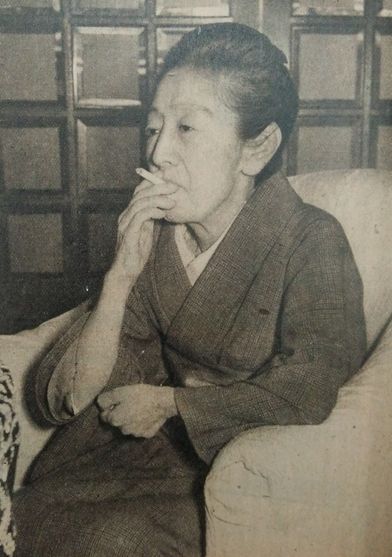
Sei Yoshimoto|Born December 5, 1889 (Meiji 22)
A 3-page feature based on public historical records
A person behind the scenes creates the stage.
When the audience is filled with laughter, all eyes are on the stage. However, there is work to be done before the performance begins and even after the curtain falls. Prepare the venue, decide who will perform, inform people, and connect to the next performance. In order to continue laughing, you will need more power than just making people laugh.
Born in 1889, Sei Yoshimoto started running a vaudeville theater called Daini Bungeikan in Tenma, Osaka, in 1912 with her husband.[1][2] Opening a vaudeville theater. That was the starting point for what would later become a big business.
The main character of this story is not a comedian who made his name on stage. He was a person who took on a job where someone else could take the lead. Being noticed and having your work valued are not necessarily the same thing.
However, if you rent a vaudeville theater, the seats will not be filled every day. Entertainers can demonstrate their abilities, customers want to come back, and operations can continue. If those three things don't come together, it will end up being a one-time event.
Those who create laughter and those who come to laugh. The work done during that time is worth reading carefully, precisely because it is unremarkable.
伝Interpreting YAMATO DENSHI
Talent includes enabling others to perform.
Find the good in people. Think about combinations. Prepare your turn. Such power is difficult to capture in photos of results. Using Sei Yoshimoto's journey as an entry point, I would like to shed light on work that creates value outside of the main role.