
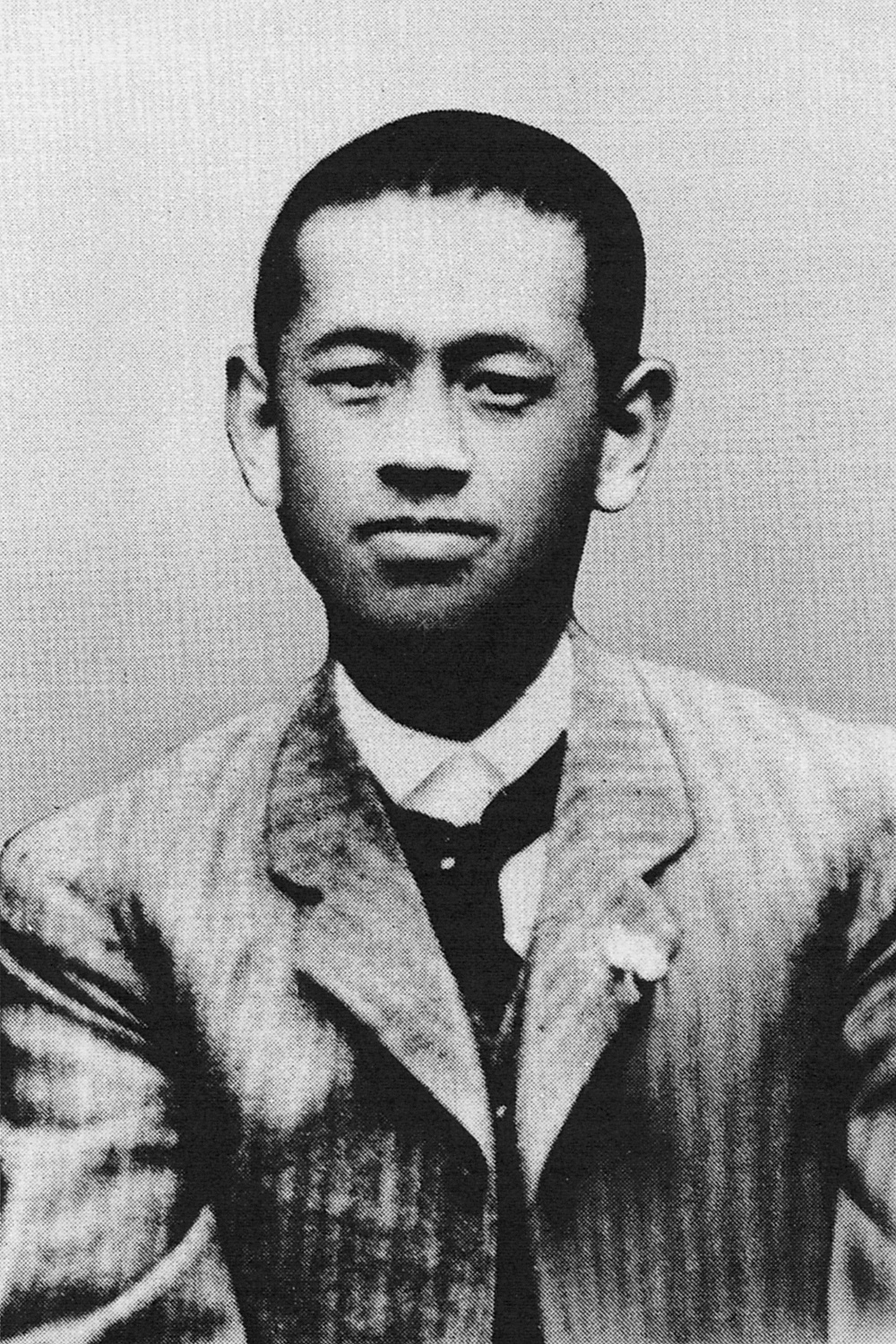
Cover photo: Photographer unknown / Wikimedia Commons / Public domain. The image size has been adjusted for display purposes.
Magosaburo Ohara | Manager of Kurashiki Boseki and supporter of social projects
A 3-page feature based on public historical records
Assess employee welfare by more than the generosity behind it.
When you hear about managers who create facilities for working people, you might imagine a story of compassion. However, in Magosaburo Ohara's work, there is a movement in which issues that cannot be seen by the good intentions of management are referred to experts for investigation.
According to Kurabo's profile, Ohara became president of Kurashiki Spinning in 1906. The school continued its education-related efforts, and in 1908 began construction of dispersed family dormitories. Improving not only the place to work but also the place to live was treated as a management issue.[1]
Factory work is not completed only by working hours. Being able to rest, sleep, and learn affects how you work the next day. The decision to improve the living environment can be interpreted as a perspective that does not just look at employees in terms of production time.
However, having a company provide housing has both support and dependence. If the provider of work and housing is the same, it may be difficult for workers to raise objections. This is not a story that concludes what happened in the dormitories at that time, but rather a question that should be left open when evaluating corporate welfare.
The fact that we have increased the number of facilities alone does not allow us to conclude that workers have been sufficiently respected. Whose voices were they listened to when making the decision? Did the people who use it ask for improvements? Has the labor burden itself changed? To read deeply about Ohara's efforts, it is necessary to shift our focus from the exterior of the magnificent building to the life and opportunities for expression inside.
伝Interpreting YAMATO DENSHI
The people receiving support have a voice in evaluating it.
The results are not determined solely by the satisfaction of those who provided the facilities and systems. Check to see if the people who actually use the facility can rest, can complain about the inconvenience, and can choose not to use it. This is a perspective that looks at welfare benefits based on changes in people's lives rather than the number of benefits provided.