
Opening institutions to the community beyond the company gates.
On June 2, 1923, Kurashiki Central Hospital was opened. The official history of the hospital states that in addition to Kurashiki Boseki employees, local residents were also treated from the beginning. The scope has expanded from in-house welfare benefits to local livelihood infrastructure.[3]
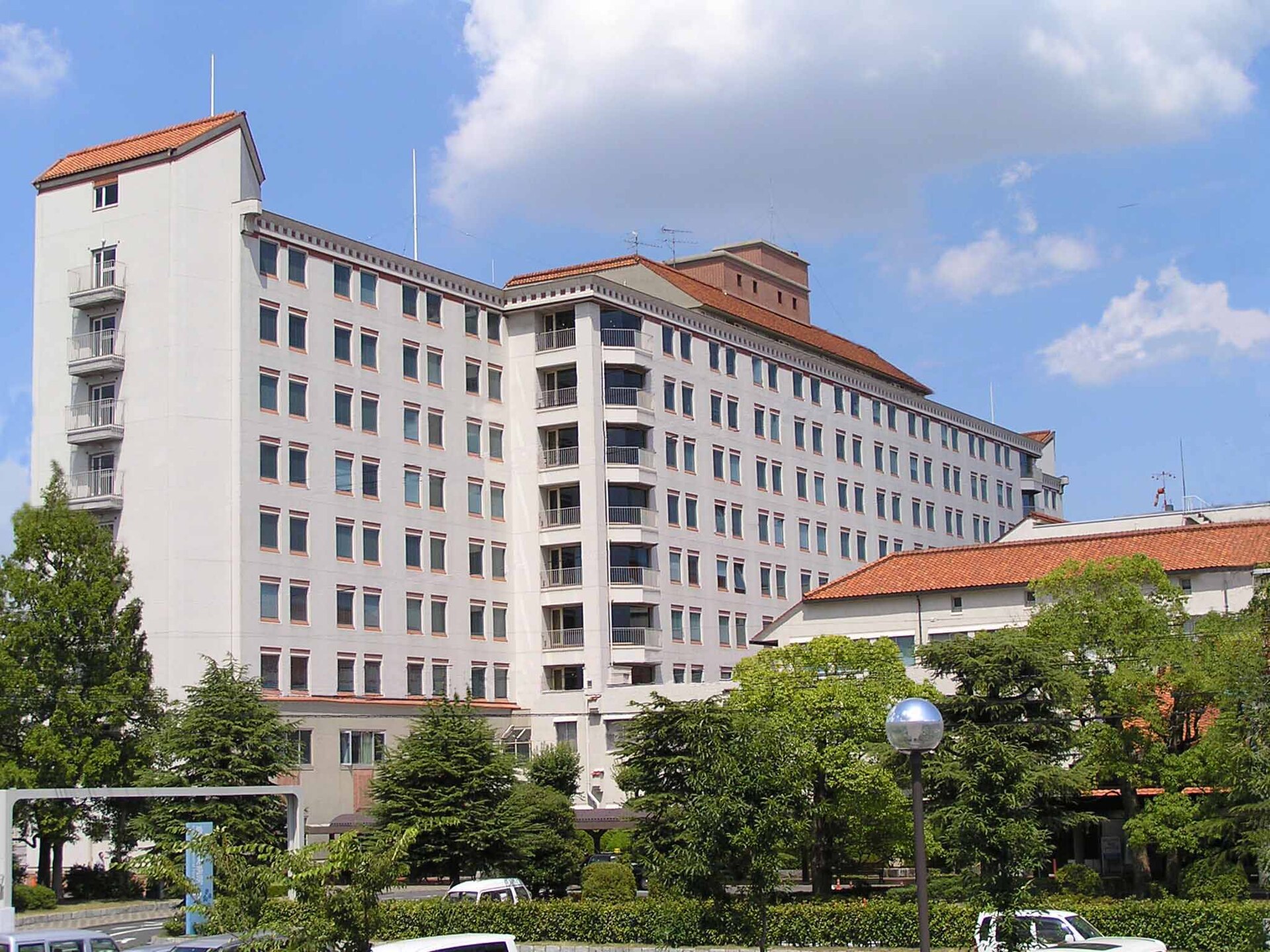
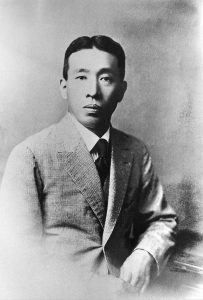
Tatushin / Wikimedia Commons / Public domain
In establishing it, we obtained the cooperation of Torasaburo Araki, president of Kyoto Imperial University, and prepared human resources and medical equipment. The history of the hospital introduces its policy of focusing on patient treatment and aiming to be a bright hospital. In addition to funding, it required expert knowledge and management ideas.[3]
Here again, we should not portray Hitoshi Ohara as an all-purpose designer. Those with funding and ideas and those responsible for research and medical care have different specialties and responsibilities. By acknowledging and linking these differences, management's focus shifts to a sustainable system.
Difficulties in leaving a social enterprise exist even after its establishment. Enthusiasm the year a building was built does not directly support medical care and research ten years from now. We need human resource development, operating funds, and a system to listen to the voices of users. We must also consider situations where protecting the founder's name and continuing to meet the needs of the recipients are at odds.
I don't want to end Magosaburo Ohara's story with just one sentence about returning wealth to society. We support research that reviews working people's lives and examines their burdens, and connects them to local medical treatment. There is a growing tendency to consider the results a company obtains and the conditions in which people live around them from the same perspective. Beyond the scale of the donation, the question we must continue to ask is how and with whom we should continue to confirm the terms and conditions.
Applying this to your own work
One thing to investigate tomorrow.
Choose one performance indicator for your organization and write down who is doing what burden to improve it. Consider ways to listen to the voice of the person concerned about burdens that do not appear on the books, and which experts are needed.
Sources and References
- Kurabo Industries "Magosaburo Ohara Biography"
- Ohara Memorial Institute of Labor Science "History of Labor Research"
- Kurashiki Central Hospital "Hospital History"
- Ohara Memorial Labor Science Research Institute "Overview of the Institute"
Date of document verification: October 15, 2026. This article was compiled based on publicly available historical records. The interpretations provided in the text—including the 'YAMATO DENSHI Analysis'—are reflections based on historical facts; they do not purport to recreate the actual statements or inner thoughts of the individuals involved.


伝Interpreting YAMATO DENSHI
Sustaining a vision requires expertise and sound management.
When starting an activity that is useful to society, think about management that includes the voices of experts and users, rather than deciding the policy only by those who provide funds. Being able to continue to verify the founding philosophy in daily decisions is a condition for a long-lasting business.