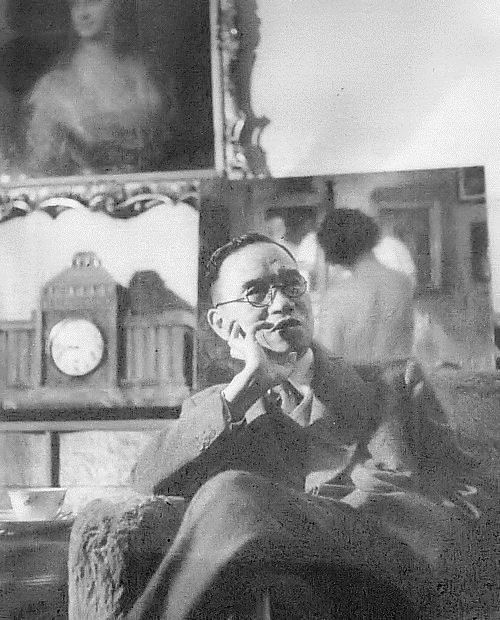
Shojiro Ishibashi|Born February 1, 1889 (Meiji 22)
A 3-page feature based on public historical records
From expertise in footwear to the tires beneath a car.
Can a new business be started without completely new capabilities? Looking at Shojiro Ishibashi's tire manufacturing, the answer is a little more complex and a little more hopeful.
Born in 1889, Shojiro developed businesses making tabi footwear and rubber shoes before moving into domestic tire production. Bridgestone's company history records the introduction of machinery in 1929, prototype production in 1930, and the establishment of the company in 1931.[1][2]
Tabi and tires have different appearances and uses. Even so, my experience with rubber and the sales connections to widely distribute products were useful for my next business.[1] The new challenge wasn't about throwing away everything from the past.
Of course, the experience gained in footwear alone did not lead to the completion of automobile tires. The company's history also records the introduction of machinery and the hiring of engineers.[1] I needed both to assess the power I already had and to look for the power I lacked.
This view of ``connecting what you have at hand to other values'' reappears in your involvement with art in the latter half of your life.
伝Interpreting YAMATO DENSHI
Count what you already have before starting from zero.
When we are drawn to the word new business, we tend to look only for new technologies. However, it is also powerful to have business partners listen to us and to be able to check quality on-site. If we are to read about Ishibashi's history, we should look at not only what he invented, but also what he recombined.