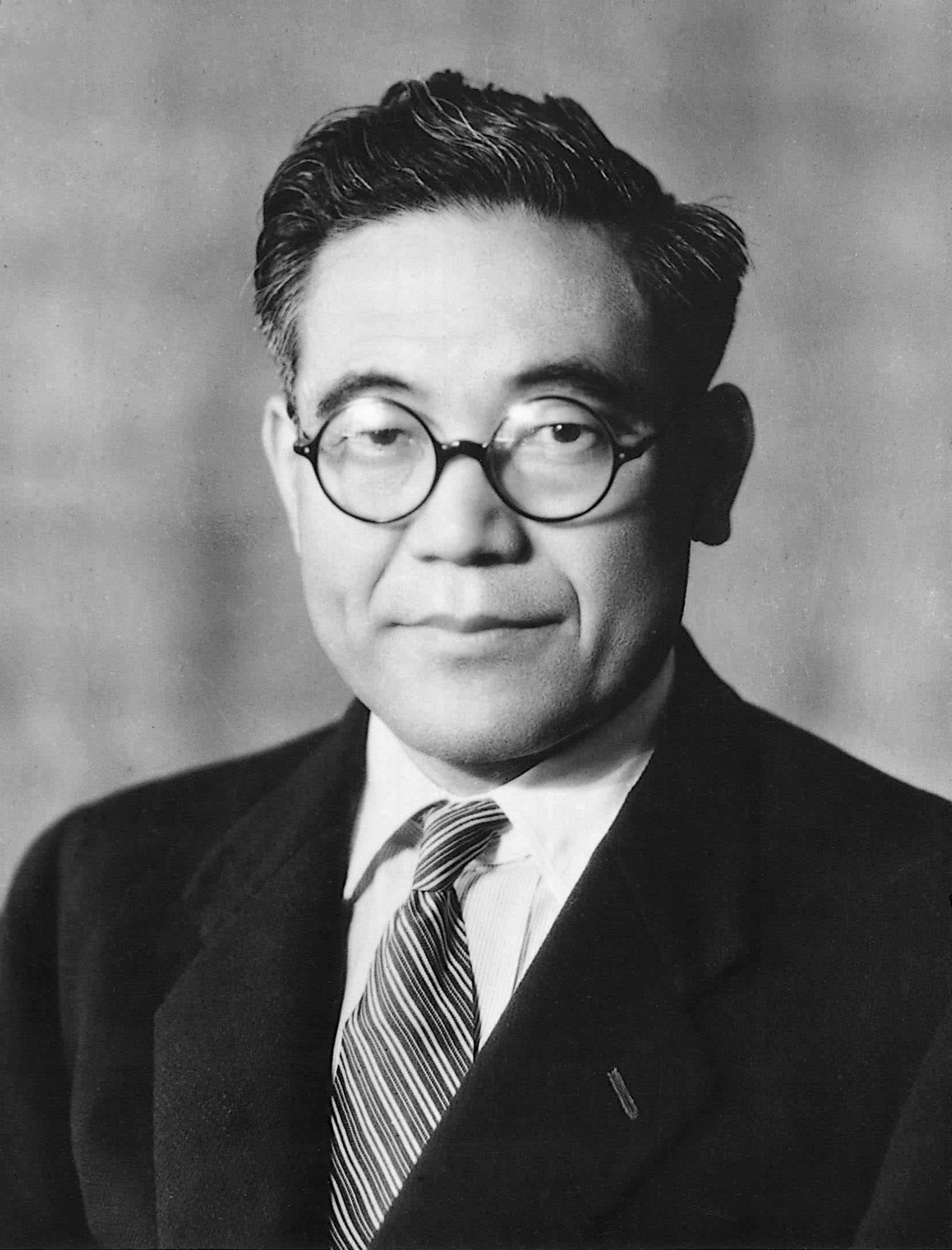
Kiichiro Toyoda|Born June 11, 1894 (Meiji 27)
A 3-page feature based on public historical records
A car they had sold broke down on the road.
Receive payment and deliver product. A task is completed on the ledger. But for the buyer, that's where the work begins. What would happen if the truck stopped moving on the day it was supposed to carry the cargo?
Toyota's corporate history describes an incident in April 1936 when Kiichiro Toyoda and his engineers headed to Hamamatsu to repair a broken down Model G1 truck. What is shown is a diorama exhibited at the Toyota Kuragaike Memorial Museum. The exhibition is a reproduction of the scene at the scene, not a photograph taken at that moment.[2]
What I want to use my imagination is not the words of the person who was there, but the difference between the two positions. What may be a technical glitch for the creator can be an event that halts the user's plans for the day. Failure is not only a problem with the parts, but also a problem with the other party's time.
Born in 1894, Kiichiro grew up as the eldest son of Sakichi Toyoda and started making automobiles.[1][6] However, just because the founder went to the site does not explain responsibility. How can we change the work that people rush to do to avoid repeating the same problems?
Sources and references
- 75 years of Toyota history "Kiichiro Toyoda until graduation from university"
- 75 Years of Toyota History "Quality and Detailed Explanation"
- 75 Years of Toyota History: The Roots of Automation and Just-in-Time
- 75 years of Toyota history: President Kiichiro's resignation
- Toyota's 75-year history "The death of founder Kiichiro Toyoda and Risaburo Toyoda"
- 75 Years of Toyota History "Comprehensive Chronology 1931–1940"
伝Interpreting YAMATO DENSHI
Can customers rely on your product to keep their plans?
Quality for the user is not just that the product works according to the instructions. Can you ask for help when you have a problem? What do you know about how to recover? Trust is built by including responses outside of the product itself. This is the scene where people ask us if we are not doing a ``hand over and done'' job.