
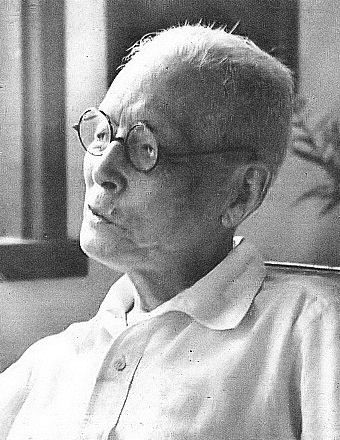
Ichizo Kobayashi|Born January 3, 1873 (Meiji 6)
A 3-page feature based on public historical records
Running trains alone does not create passengers.
Lay the tracks. Build a station. run the train. If you do that, will customers come? Looking at Ichizo Kobayashi's work makes me want to change that very question. People don't leave their homes just to catch a train.
Born in 1873, Ichizo worked in a bank, and in 1907 became involved in the management of the Minoh Arima Electric Tramway. The line opened in 1910. What they promoted was not only the railway, but also housing development along the line.[1]
The residential area of Ikeda Muromachi, introduced in Hankyu's business history, combined land and housing and adopted long-term installment sales.[2] The railroad company sells the house. It may seem like this has spread to other industries, but from the perspective of residents, home and commuting are part of one lifestyle.
If we create a convenient railway, the number of residents will increase. As the number of residents increases, the number of people who use the railway will also increase. This cannot be achieved by simply using clever advertising words. Our job is to create the conditions in which the other party can take action.
And commuting isn't the only reason to go out. Why not create something that makes people want to go all the way to that place on their days off? The next stage was, surprisingly, a disused pool.
伝Interpreting YAMATO DENSHI
Look beyond what you sell to the lives of the people you serve.
According to corporate classification, transportation and housing are separate businesses. However, consumers think about rent, commuting time, and time with family all at once. The fun of Ichizo's work is that he reconnects the boundaries that have been separated by the company's circumstances with the user's day.