
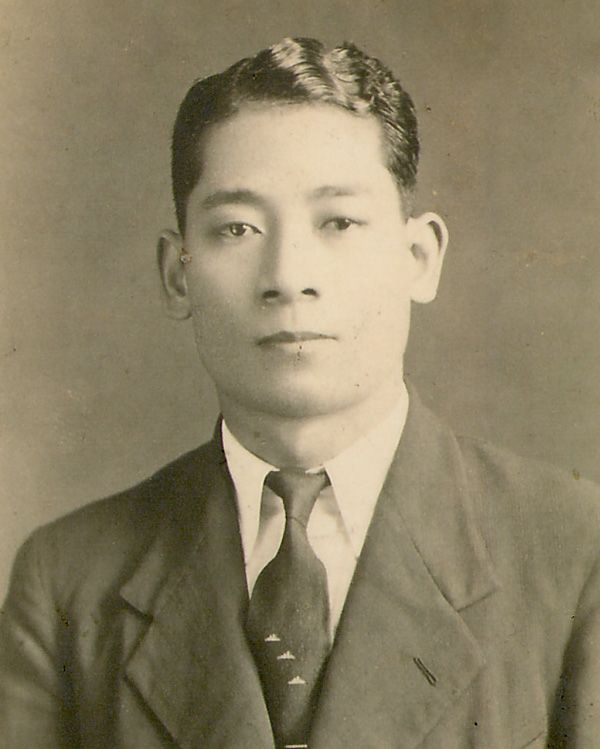
Momofuku Ando|Born on March 5, 1910 (Meiji 43)
A 3-page feature based on public historical records
Good taste alone does not guarantee success abroad.
What if a customer starts using your product in a different way than expected? Will you teach me how to use it correctly? Or should we look at why we did it? Momofuku Ando's work has this fork in the road.
In 1958, at the age of 48, Momofuku invented chicken ramen. It is an instant noodle that can be eaten by pouring hot water over it. Later, when he visited the United States, he was inspired by the way local people would break noodles into small pieces, put them in a cup, and eat them with a fork, the museum explains.[2]
Even if you have noodles and hot water, you don't necessarily have bowls and chopsticks handy. It was not possible to simply transfer the conveniences of Japan to another life. The way of eating in front of me was not a reaction to the product's explanation, but a way to adapt it to the lifestyle of the other person.
Born in 1910, Momofuku gained a lot of business experience before working on instant noodles.[1][3] Rather than seeing it as an inventor who knew the one correct answer from the beginning, reading it as someone who kept receiving questions from people who eat it makes his work much more familiar.
伝Interpreting YAMATO DENSHI
An unexpected way of using a product may be feedback for its designer.
Actions that deviate from the creator's expectations reveal dissatisfaction and constraints. So before rushing to explain, let's take a look at what was missing. This is a perspective that reads customer innovations as clues for the next product, rather than as habits that need to be corrected.