
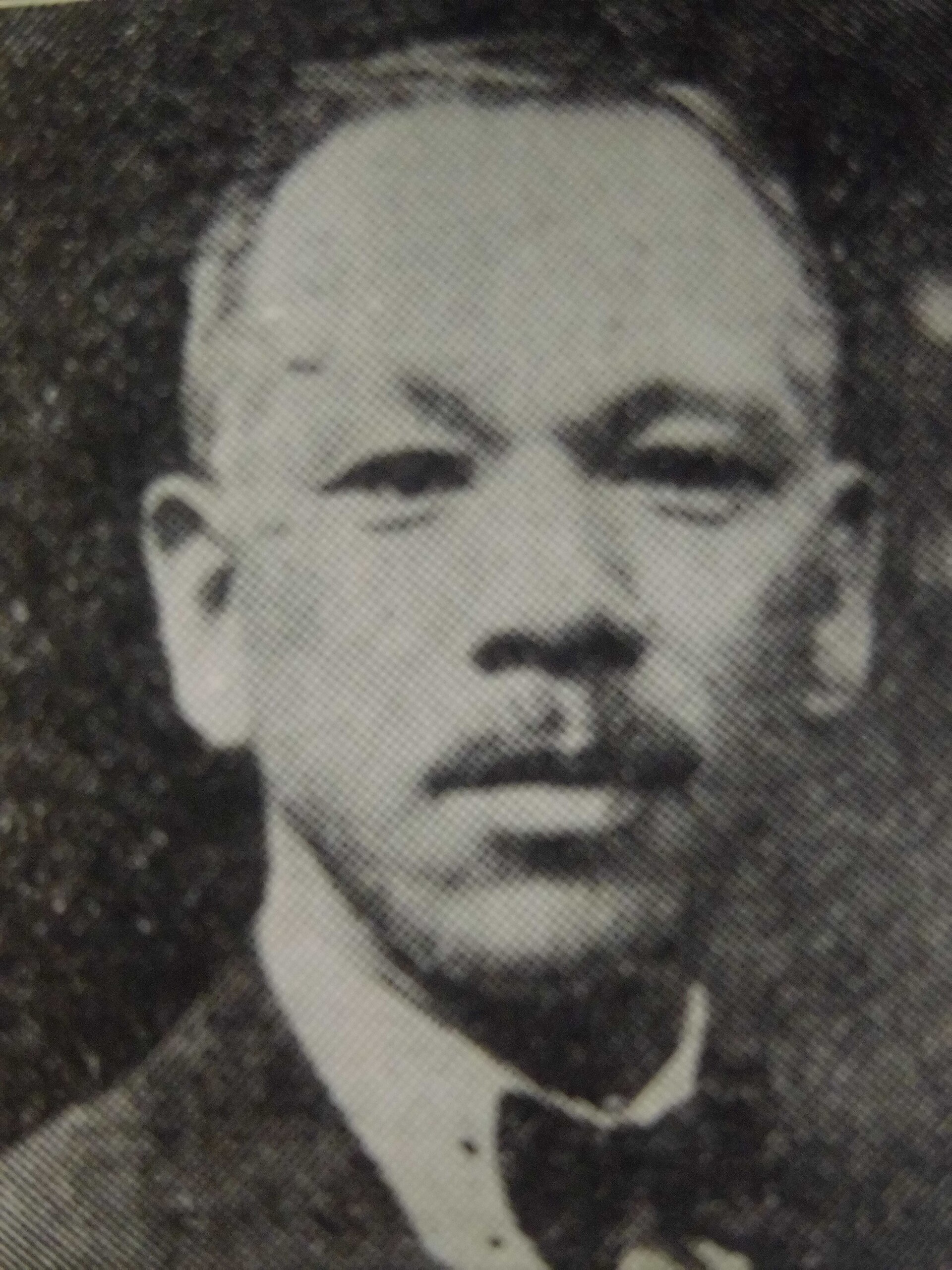
Cover photo: Tokyo 'Financial People's Selection' Publication Association / Wikimedia Commons / Public domain. The image size has been adjusted for display purposes.
Riichi Ezaki|Founder of Ezaki Glico
A 3-page feature based on public historical records
Finding the first retail outlet for an unfamiliar product.
There are words to describe the product. There are people who want to deliver it. Still, they won't put it on the sales floor. If we talk about Riichi Ezaki's founding only in terms of the moment when we discovered the ingredients, this heavy barrier will fall through.
The founding history of Ezaki Glico states that in 1919, Riichi focused on oyster broth and proceeded to develop a confectionery containing glycogen. He tried to distinguish it from existing caramels and sell it as a nutritionally conscious confectionery. However, the new explanation did not satisfy business partners.[1]
Richikazu encouraged the Mitsukoshi Osaka store to sell the product, and store sales began on February 11, 1922. This day marked the company's founding anniversary. What is important is that the milestone for a company is not the day it starts manufacturing, but the day it establishes contact with customers.[1]
Stores that sell products from unknown manufacturers are not only responsible for unsold goods, but also for being questioned by customers. Manufacturers' enthusiasm is not the answer to their concerns. Where, to whom, and how should I explain and sell? Obtaining a sales floor can be read as a negotiation to get others to extend their trust.
Here, we must not equate the nutritional philosophy of the founding period with current medical efficacy. This article deals with the history of attempts to turn the discovery of ingredients into business. I would like to distinguish between the intention to be good for health and the scientific confirmation of individual effects. Only by observing this distinction can we carefully consider the trust placed in our products.
伝Interpreting YAMATO DENSHI
Turning an unfamiliar idea into confidence for business partners.
A discovery for your company may become an inexperienced burden on the sales floor. Make sure you have the basis for your explanation, how to sell, and how to respond to inquiries. Thinking about the concerns of those handling new products supports initial sales.