
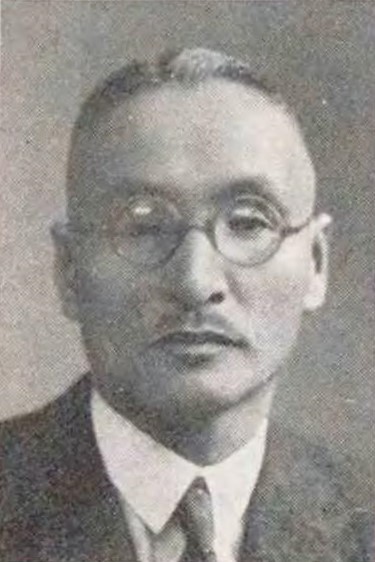
Sazo Idemitsu|Born August 22, 1885 (Meiji 18)
A 3-page feature based on public historical records
The business was gone. The people remained.
The company sign remains. Some people work. However, I have no work to do until yesterday. What is a company? If you read Sazo Idemitsu's postwar period, the question ceases to be an abstract discussion.
With the defeat in 1945, Idemitsu lost its overseas business base. The official history and reports of the founders tell the stories of people who left their mark afterward, looking for work and making a fresh start.[2][3] The experiences and lives of those who returned did not have to disappear with them.
However, just a policy of protecting employment does not mean that jobs will be created every day. If we choose to keep people, we will have the responsibility to create jobs where those people can demonstrate their abilities. The difficulty of making a fresh start lies in the second issue.
Born in 1885, Sazo founded Idemitsu Shokai in Moji in 1911.[1] Before that, he learned the entire business at a small shop.[2] The experience of viewing purchasing and sales, products and people as one business, rather than separating them separately, also poses questions when a company loses its former form.
If you can't work in oil, what can people at oil companies do? The answer extends to unexpected industries.
伝Interpreting YAMATO DENSHI
Turn the belief that people are an asset into concrete actions.
Do not use the word property to mean owning a person. What I would like to focus on here is the power that people have to repair, carry, and negotiate. Even if the company's products change, that experience can be useful in other jobs. A perspective that doesn't just look at people by their job title can help you make a fresh start.