
"It didn't go well at all." That is how President Yasuyuki Umemori recalls his early days in the sushi business. Before that, he had run his family's milk delivery business. He had never made sushi or prepared a fish.
Today, Umemori Honten's business spans sushi production and sales, railway station shops, and sushi-making classes. Along the way, President Umemori found a mission: to help build a society where people care for one another. We asked him about the times things went wrong, the moment he discovered what sharing food could mean, and the words he wants to leave for future generations.
Based in Nara, Umemori Honten produces and sells sushi and offers sushi-making experiences. Umemori moved from his family's milk delivery business into conveyor-belt sushi, later expanding into railway station shops and food culture experiences.
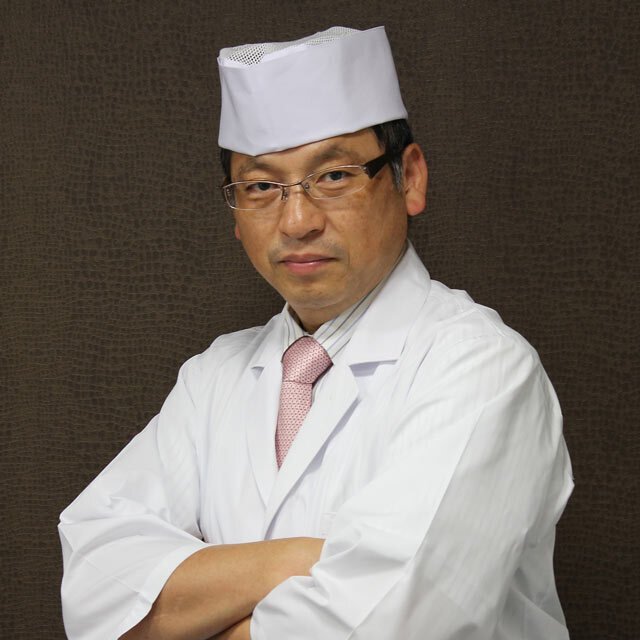
"I was open to anything": from milk deliveries to sushi
— First, could you tell us about the work you do today?
President Umemori We make and sell sushi. We have shops inside railway stations, and sushi-making classes—our sushi school. Over ten years, 500,000 people have come to those classes. Alongside the school, we also run a mail-order business.
We were selling temari sushi—small, round pieces of sushi—by mail order and in railway stations, but we didn't have a place where people could sit down and eat it. So we opened a restaurant in Kyoto. We also offer sushi-making classes there. Going forward, we want to offer cultural experiences to individual visitors to Japan, with sushi and food at the center.
— How did you first get into the sushi business?
President Umemori Our family business was milk delivery. My father farmed and worked at the local government office while also keeping cows. He milked them and delivered the milk. Later, we became a retailer, buying milk from a dairy company and delivering it. I did that for about thirteen years myself.
I worked hard at it, really hard. Together with my older sister. But I began to think that spending the next few decades running the milk business with her would be a bit much. So I was open to anything, really.
Then someone I knew through the milk business happened to say, "Conveyor-belt sushi is becoming popular. Would you like to hear about it?" That's how it all started.
— Did things go smoothly once you started?
President Umemori It didn't go well at all. We weren't trained sushi chefs, you see. We'd never made sushi, never prepared a fish, never handled a knife or cut sushi toppings. We'd done none of it. There was no reason to expect it to go smoothly, was there?
We did reasonably well through the summer holidays because it was the kind of restaurant families with children came to. Then, suddenly, sales fell by half in September. Things got really tough, but quitting wasn't an option. My father had guaranteed the loan so I could start. I couldn't just quit after four months.
Once you take quitting off the table, you have to keep going. When you decide you're going to do it, you start finding ways to make it work.
The feedback he least wanted to hear changed the restaurant
— When things weren't going well, where did you start?
President Umemori I didn't know what to do, so I had to think for myself. I bought a secondhand printing machine and printed posters and flyers. I tried all sorts of things, including what we'd now call door-to-door leaflet distribution.
Then I wondered what would make the biggest difference, and thought, "Let's find out what people in the neighborhood think." That's the last thing you want to hear. People aren't coming because your reputation is bad, after all. But I thought listening would help most. And what I heard was, "The toppings are poor," and, "The sushi rice doesn't taste good."
But that was useful. If the sushi rice was bad, I could simply change the rice. The toppings coming from headquarters had been frozen twice, so I started buying ingredients that had been frozen only once. I'd never cut them before, but I picked up a knife and learned. I think that really made a difference.
As I tried different things, I found that taking action really did bring results. Sales began to improve, and for more than thirty consecutive months we beat the previous year's figures. We recovered to the point where I could say things were going reasonably well.