
Materials can change while the underlying value endures.
Glico temporarily stopped production due to the escalation of the war, but revived it in 1947 after the war. In the official toy history, it is said that the toys used at the time of its reopening were made of paper, clay, rubber, etc., and that practical accessories were also popular. As the conditions for supplies changed, so too did the way pleasure was delivered.[3]
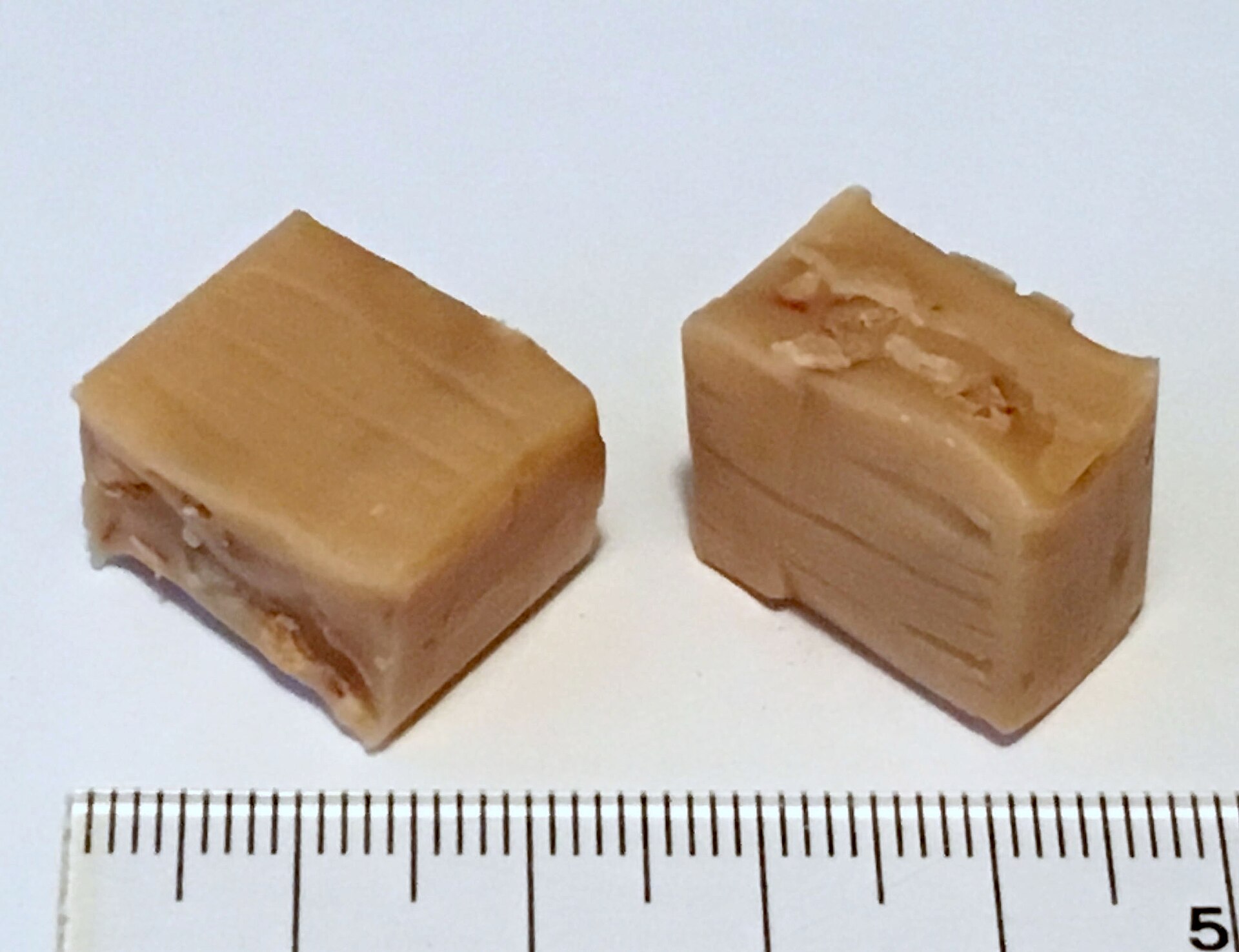
Milk Dokujima / Wikimedia Commons / CC0
The same document also notes the appearance of plastic toys in 1958. It became possible to transfer interest in the lifestyle of that era into small forms, like vehicles and home appliances. Continuing the toy business did not mean maintaining the same materials and shapes that were used when the company was founded.[3]
What we can see from this is the difficulty of the word "maintaining one's origins." If it remains unclear what to protect, the goal will be to repeat the same form as before. On the other hand, if the purpose is to change the product's shape, the reason why the product is being made becomes less clear.
If you value the time you spend eating and playing, you can reconsider the materials, processing methods, and subject matter. But this is not an argument that any changes would have been supported by the founders. Subsequent decisions are the responsibility of future generations, and those who inherit them need to take into consideration the reactions of users and social conditions and explain them.
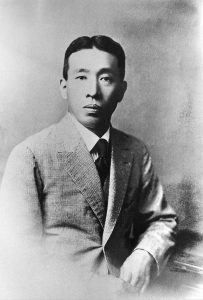
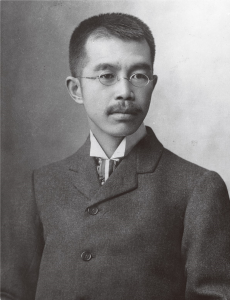
Riichi Ezaki's story is not a linear success story of finding good ingredients and selling. Taking advantage of the sales trust, we will change the form in which we can continue, thinking about children's enjoyment. The value of a product is not fully determined in the factory, but is verified many times between the sales floor and home. If you look at the long process, the design of the little red box looks different.
Applying this to your own work
One thing to investigate tomorrow.
Write three separate reasons why buyers will be satisfied with the product and three reasons why users will be happy." Check for items that do not overlap, and review whether the explanation or design is biased toward one side or the other.
Sources and References
- Ezaki Glico "Glico's founding period 1919–1932"
- Ezaki Glico "History"
- Ezaki Glico "The spirit of ingenuity in 5.5 billion toys"
- Riichi Ezaki's early life 1882–1918
Date of document verification: October 15, 2026. This article was compiled based on publicly available historical records. The interpretations provided in the text—including the 'YAMATO DENSHI Analysis'—are reflections based on historical facts; they do not purport to recreate the actual statements or inner thoughts of the individuals involved.




伝Interpreting YAMATO DENSHI
The original purpose can guide a change in form.
Protecting the old specifications and preserving the experience we cherished from the past can be considered separately. When proposing changes, explain what will remain, what will change, and who will be happy about it. This is a way to make inheritance a concrete task.