
Trust must endure beyond the purchase.
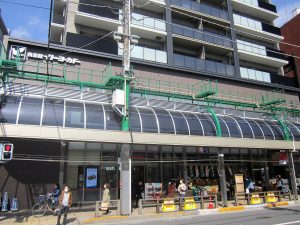
The official chronology records the opening of Ginza Camera Service Station in 1946.[3] The company history also tells us that the company opened its first overseas branch in New York in 1955.[4] Even after we settled on a name and set up a factory, we continued to work at having a base where we could interact with customers and markets.
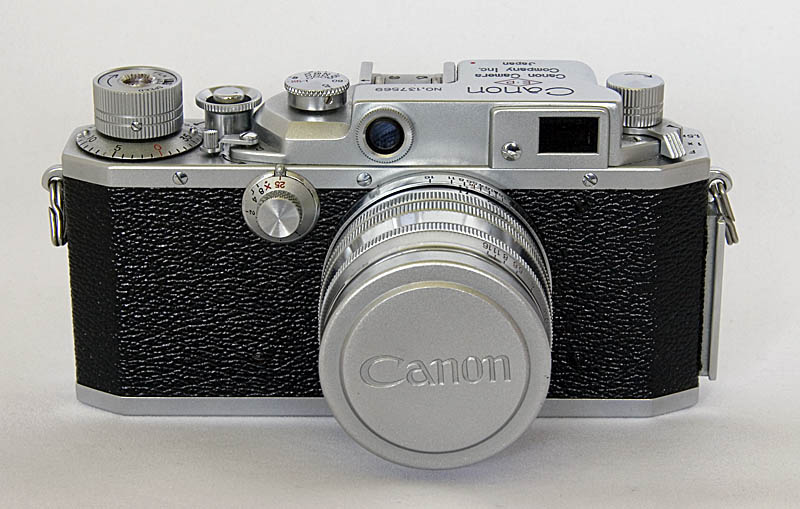
Mike Caine / Wikimedia Commons / CC BY-SA 2.0
We cannot conclude that all these measures arose from one refusal: their timing and circumstances differed. They do, however, reveal a shared problem: taking products to the world requires bridging the distance between where they are made and where they are used.
For example, a product loses much of its value if a user encounters a fault and does not know where to take it for help. Sellers also need a route for reporting problems to the manufacturer and receiving answers. Selling farther afield requires designing two-way communication as well as the movement of goods.
And having a service center also means being in a position to hear complaints. When the pride of the manufacturer and the inconvenience of the customer conflict, can that voice be brought back to design and manufacturing? Between having a point of contact and making improvements, there is one more thing that the organization needs to do.
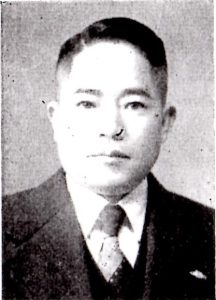
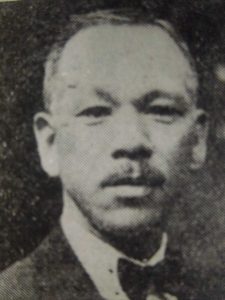
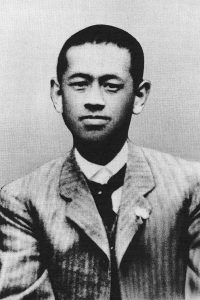
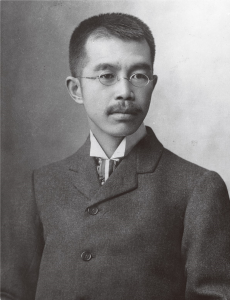
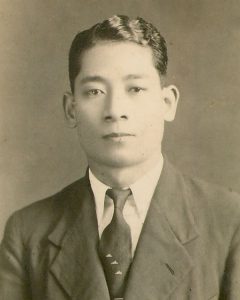
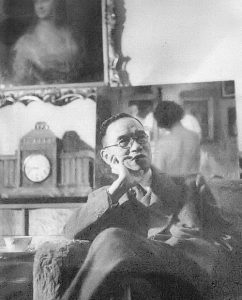
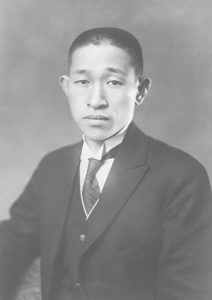
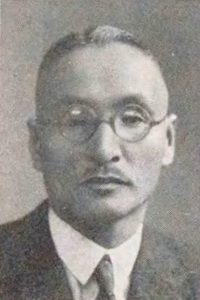
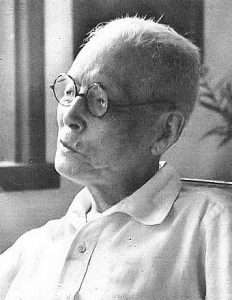
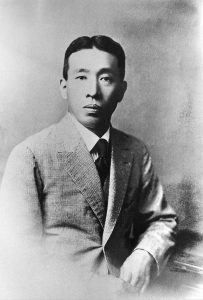
What stands out in Takeshi Mitarai's story is the importance of conditions beyond the camera itself. For users, being able to take photographs, buy the product, have it repaired, and rely on the manufacturer to remain in business tomorrow all contribute to a single sense of confidence. Companies confident in their technology may benefit from treating that entire sense of confidence as part of the product they offer.
Applying this to your own work
One thing to investigate tomorrow.
Look back at one proposal that was recently rejected and divide the reasons into performance, price, supply, maintenance, and explanation. After confirming the other person's responsibility, choose one condition that can be improved next.
Sources and References
- Canon Camera Museum "1937–1945"
- Canon Camera Museum "1946–1954"
- Canon, Canon's History 2025
- Canon 『THE CANON STORY 2025/2026』
Date of document verification: October 15, 2026. This article was compiled based on publicly available historical records. The interpretations provided in the text—including the 'YAMATO DENSHI Analysis'—are reflections based on historical facts; they do not purport to recreate the actual statements or inner thoughts of the individuals involved.




伝Interpreting YAMATO DENSHI
The promise of quality extends beyond the product itself.
Inspect the customer experience, including responses to inquiries, repair prospects, and communication when supplies are interrupted. Efforts to improve the performance of products and efforts to create conditions for continued use are work that supports the same trust.