
The prospective partner saw a wooden factory.
In August 1950, Mitarai visited the United States and proposed a sales partnership to Bell & Howell. According to Canon's history, the camera's features were praised, but the proposal was rejected because of contemporary perceptions of Japanese products and concerns including the headquarters factory's vulnerability to fire as a wooden building.[2]
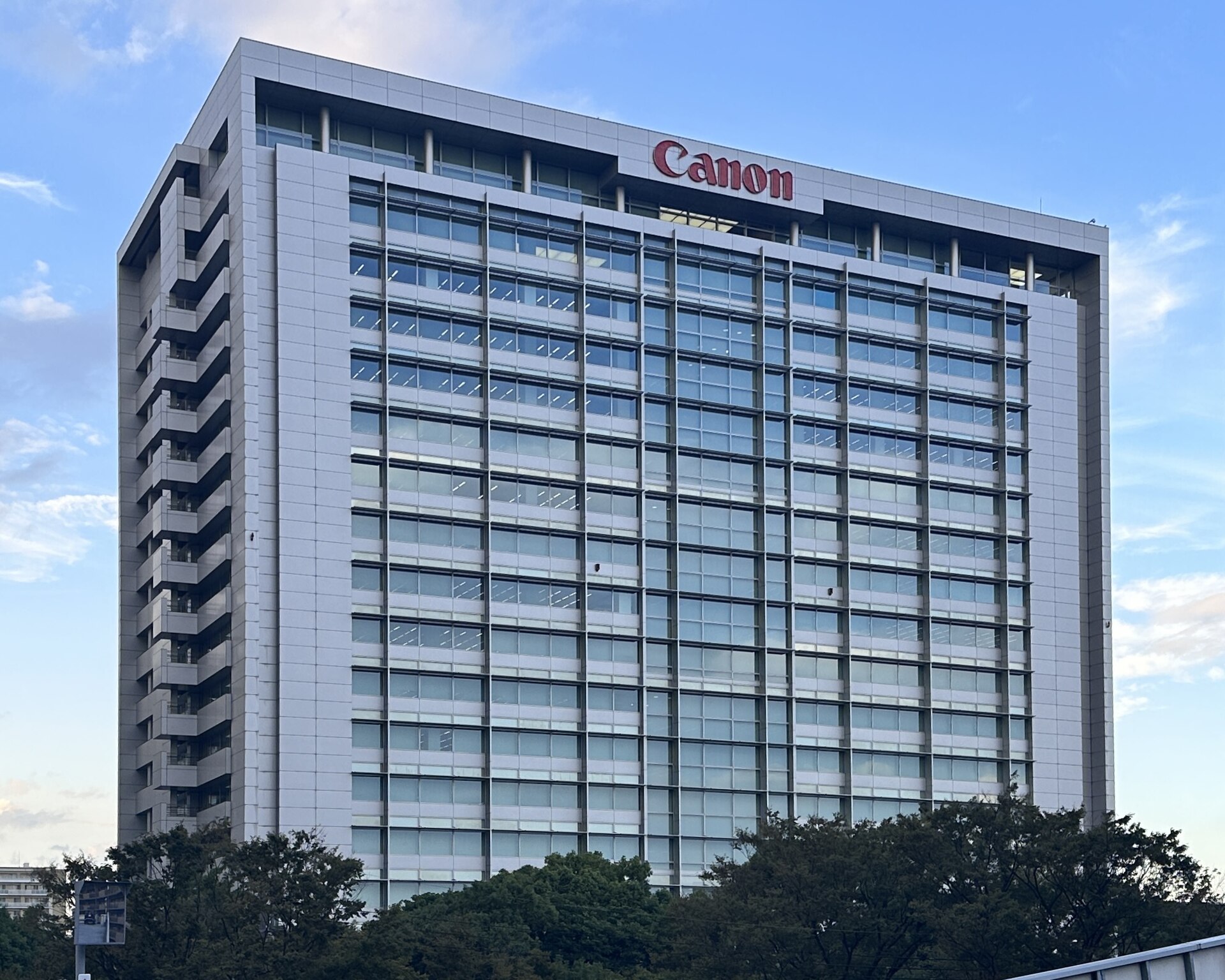
Akonnchiroll / Wikimedia Commons / CC BY-SA 4.0
The refusal reflected concerns beyond the quality of the product. A distributor invests in a sales network and customer support on the assumption that supplies will continue; it does more than simply purchase goods. If the factory stops, the distributor may be unable to keep its own promises. The supplier's facilities therefore represented a future risk for its business partners too.
In June 1951, Canon bought the former Fuji Aircraft Instruments factory in Shimomaruko and began consolidating its operations there that November. The company's history identifies the move to a modern, fire-resistant factory as an important turning point following Mitarai's visit to the United States.[2]
When the grounds for refusal are clear, you can identify what to change rather than simply argue back. Prejudice associated with nationality may be difficult to dispel quickly, but production facilities and supply arrangements can be improved in concrete ways. Yet changing everything a prospective partner requests would leave investment without limits. You must judge whether those changes also serve your own long-term responsibility to supply customers.
Mitarai's choices deserve more than an emotional story in which frustration led to success. Separating the reasons for rejection into quality, reputation, and continuity of supply makes the company's next changes easier to understand. Rebuilding trust can require changes to buildings and processes before words.
伝Interpreting YAMATO DENSHI
Identify which reasons for refusal can be addressed through improvements.
An assessment of product performance is different from an assessment of a business relationship. Clarify the responsibilities the other party would carry, including continuity of supply, maintenance, and communication. Then choose improvements your own company also needs, and the refusal can inform your next investment decision.