
Removing the recording function created a different kind of value.
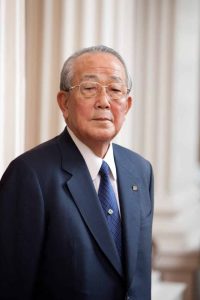
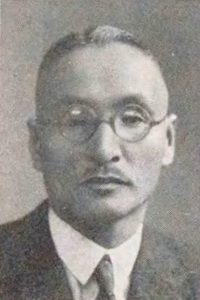
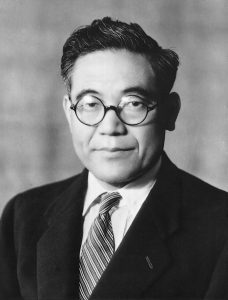
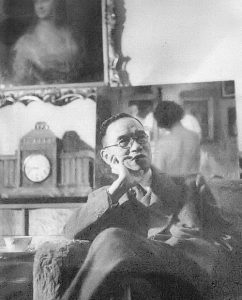
The later prototype of the Walkman also had a way of thinking about its design based on the context in which it would be used.According to the company's history, Ibuka wanted to listen to music in stereo while on the go, so he created a device that was a modified version of the portable recorder Pressman. Development through Norio Oga, Kozo Ozone, and others, and Akio Morita's business decisions led to commercialization.[3]
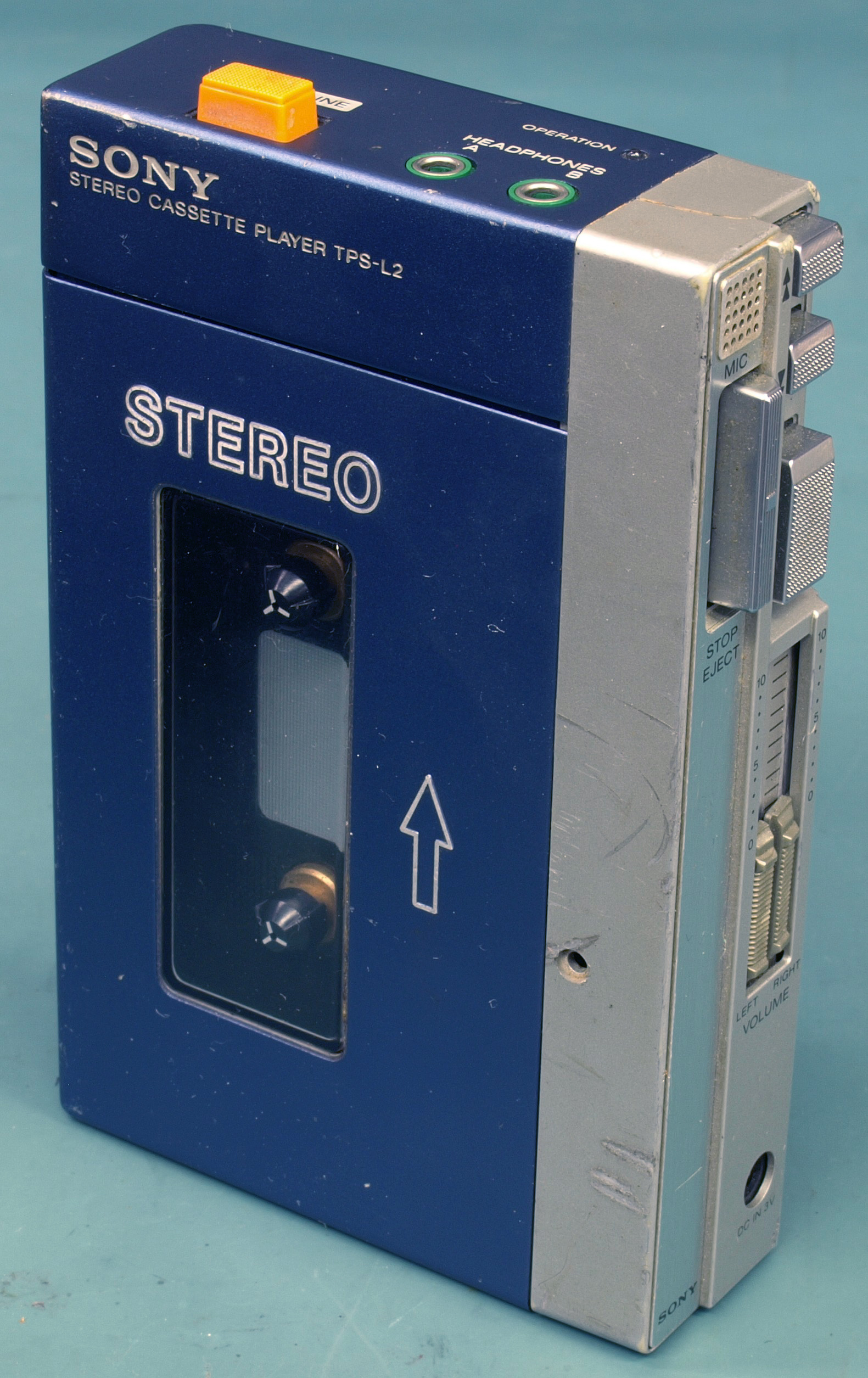
Binarysequence / Wikimedia Commons / CC BY-SA 4.0
The first Walkman TPS-L2, released in 1979, did not have a recording function. Paired with lightweight headphones, it provides an experience of listening to music while carrying it around. The outline of the product was redrawn in a direction different from making it multi-functional as a recorder.[4]
The story of these two recorders cannot be concluded as having the same strategy from the beginning. Times, markets, and technologies are different. However, what they all have in common is that when you move from the perspective of perfecting the technology to the perspective of how to change a specific time, the necessary functions change.
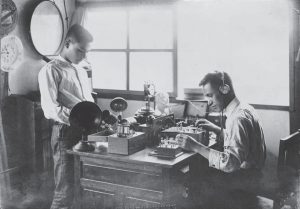
At school, we needed to record something to play back later. When listening to music while on the move, I was able to turn off the recording to concentrate on listening. One feature can be central in some situations and heavy or complex in others. Whether adding to or subtracting from, judgment is required from the user.
I don't want Ibuka's story to be limited to his passion for technology. In order to bring passion to life, we needed people on the ground to find uses for it, people to shape it, and people to decide how to sell it. The more organizations protect free development, the more they have a responsibility to go back to the specific context of use and see who and what that freedom has changed.
Applying this to your own work
One thing to investigate tomorrow.
Write down a day in the life of someone who uses your product for the first time. List each person and what problem they may have in three situations: before purchase, first use, and failure, and select improvements to reduce the burden.
Sources and References
- Sony "Incorporation Charter"
- Sony "Japan's first tape recorder"
- Sony "The arrival of the Walkman"
- Sony "History of Products and Technology"
Date of document verification: October 15, 2026. This article was compiled based on publicly available historical records. The interpretations provided in the text—including the 'YAMATO DENSHI Analysis'—are reflections based on historical facts; they do not purport to recreate the actual statements or inner thoughts of the individuals involved.






伝Interpreting YAMATO DENSHI
Choose the experience you want to change before counting features.
Once you decide on one usage scenario, you can discuss which features to keep and which ones can be removed. However, the goal is not just to reduce costs, but also to check what the users will lose. This is a step to expand your commitment to technology to your commitment to experience.