The solution was to provide the container too.
In 1971, Cup Noodles was released.[2][3] Instead of having the bowl prepared for you, we will incorporate the container into the product. This change is different from work that only improves the taste of noodles. I am completely reviewing the conditions before I start eating.
It's not about what you bought, but what you can do after you buy it. If you ask yourself this question, the scope of your invention will expand. The noodles, the container, the action of pouring hot water, and the place where you eat. Instead of treating each as a separate issue, you will begin to think of them as a single experience.
Here too, there is a distance that cannot be filled with just one person's inspiration. Turning an idea into a product that many people can get their hands on requires work such as development, production, and quality control. Even though the name of the inventor remains in the story, we must not lose sight of the people who supported the realization.
And the conditions for where to eat didn't just change across the border. Waiting for the next stage is a place where even the commonplace of the earth cannot be understood.
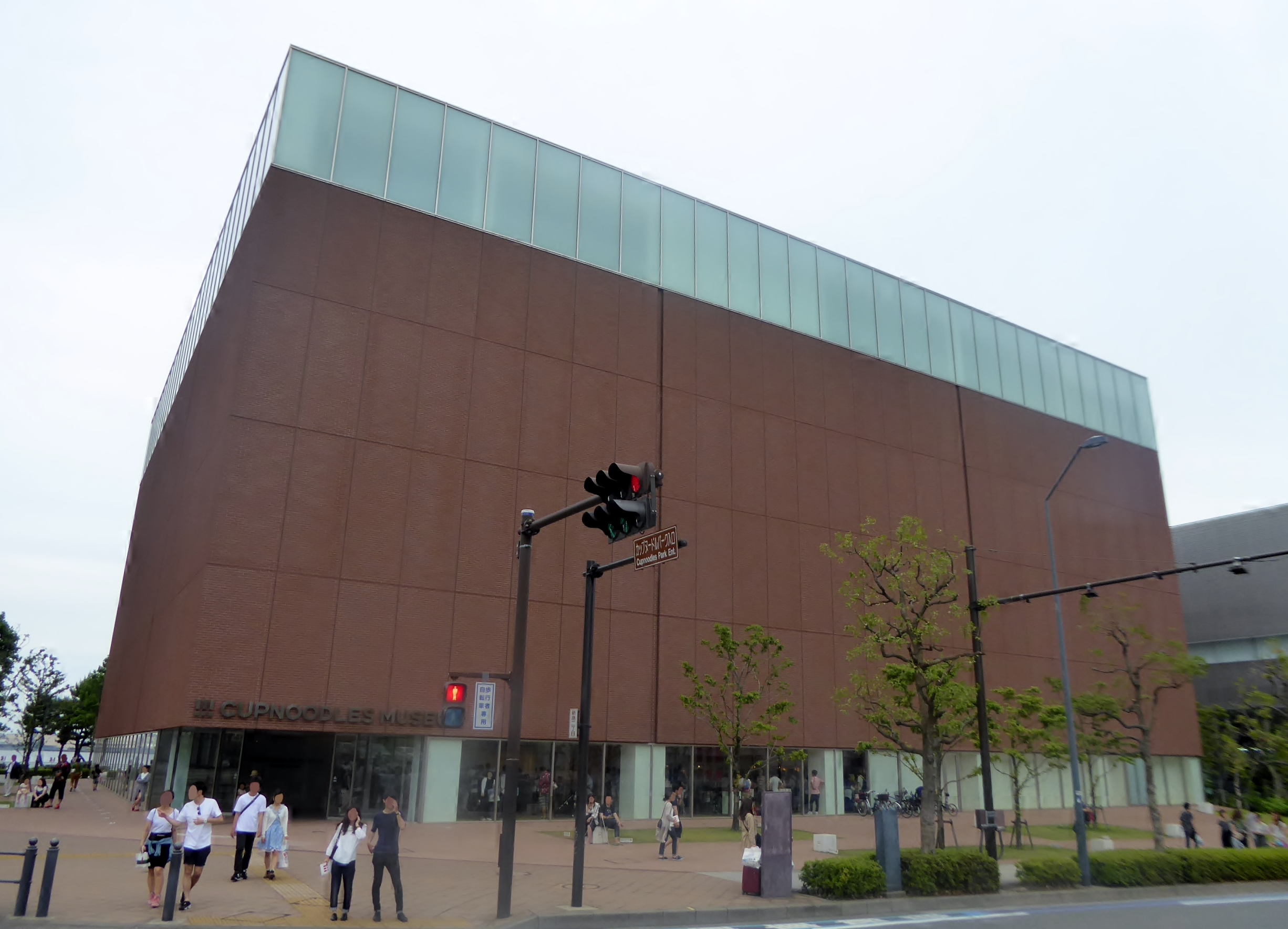
Tokumeigakarinoaoshima / Wikimedia Commons/Image source / CC BY-SA 4.0(No modification of photo content)
伝Interpreting YAMATO DENSHI
Design the product so the customer can begin using it.
A useful tool may not be used if it is difficult to prepare. Even if the material is good, if you get lost on the first question, you will be dismissed. What we can take away from Momofuku's story is not the idea of adding functionality, but the idea of reducing the effort it takes for the other person to get started. The value is only realized when it is used.