
Making a collection someone’s first encounter with art.
In 1952, the Bridgestone Museum of Art opened in Kyobashi, Tokyo. In 1956, he donated the Ishibashi Cultural Center to his hometown of Kurume. In 1961, he donated most of his art collection to the Ishibashi Foundation, and in 1969 he donated the construction costs for a new wing of the National Museum of Modern Art, Tokyo.[2][3]
If you read this chronology only in terms of amount and scale, you'll end up with ``big donations from highly successful people.'' There is another way to read it. A piece of work that was in the hands of an individual becomes someone's holiday destination, and a place where a child sees the real thing for the first time. Possession turned into encounter.
Even if you build a museum, it won't last forever. What we leave behind will only survive if the work of those who preserve it, exhibit it, research it, and welcome visitors continues. I would like to think about succession, including the presence of people who receive and nurture the founder's intentions.
The question of leaving something 300 years from now can be started by making it available for someone to use today. Share one piece of your own knowledge. Connect unused tools to people who need them. Although the scale may be different, the work of opening up value to others is in our hands.
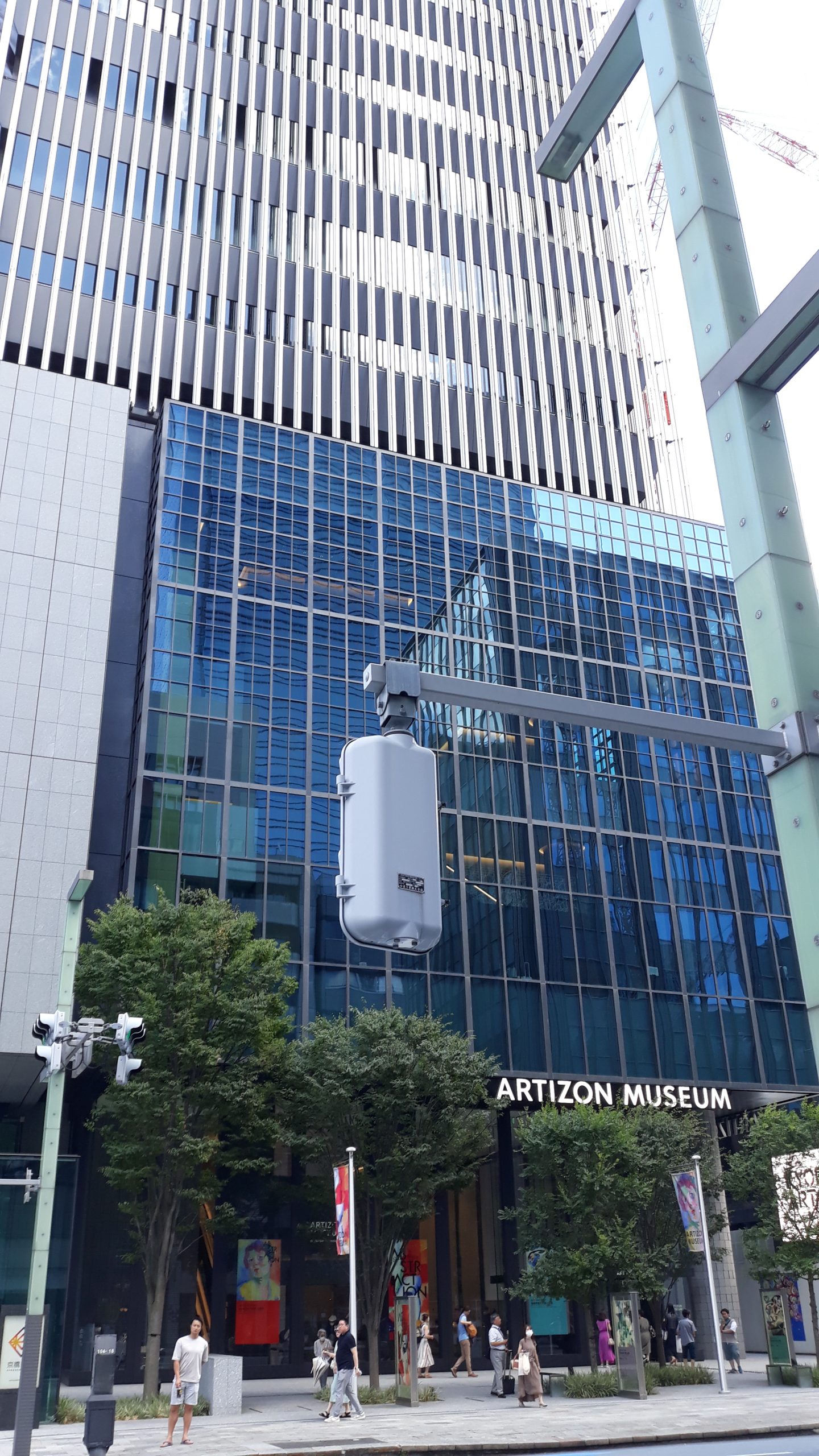
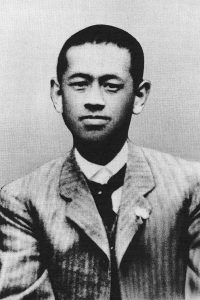
Arne Vogel / Wikimedia Commons/Image source / CC BY-SA 4.0(No modification of photo content)
What you take home from this life.
The wealth you have made
At the entrance to undiscovered talent.
- Bring your existing strengths to the next field.From tabi and rubber shoes to tires. Reuse the experience gained in a way that is useful for new challenges.
- If you lack strength, make up for it by teaming up with others.Connections with engineers and sales supported the business. Don't try to complete it on your own, work together.
- Open your results to the experiences of others.We want to bring the art we collect to a place where people can meet each other. Turn what you have gained into an opportunity for someone in the future to learn.
Success cannot be measured only by what you leave behind. It also appears in the possibilities open to someone.
Take the wisdom you read and take a step forward today.
Share one resource that has been yours alone.
Choose one thing you can give to someone from among useful materials, work procedures, and tools you don't use. Add a short explanation that the other person can use without hesitation.
Open hint to think about
After confirming the rights and information that can be published, decide who will update it and where it will be placed. Rather than the amount you give away, aim to create something that the next person can actually use.
Historical materials and editing
This is a special feature on people based on publicly available historical materials. Events recorded in the history of the company and discussions by YAMATO DENSHI are separately recorded. New interviews with the individuals themselves and conversations by YAMATO DENSHI are not reproduced.
- Bridgestone "Challenge to domestically produce tires"
- Ishibashi Foundation "Founder Shojiro Ishibashi"
- Ishibashi Foundation "Collection"
- Tokyo Research Institute for Cultural Properties "Shojiro Ishibashi" Japanese Art Yearbook
Confirmation date of historical materials and images: October 11, 2026
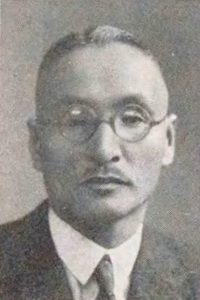
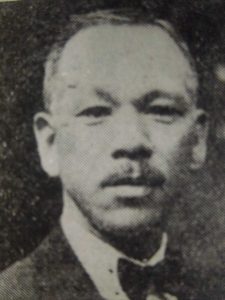
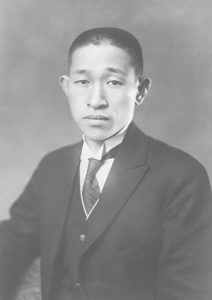
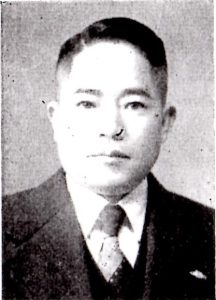
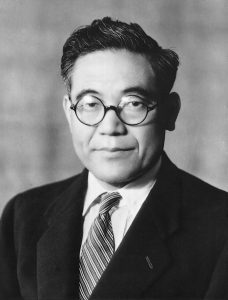
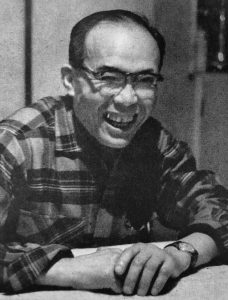
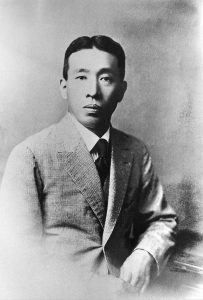
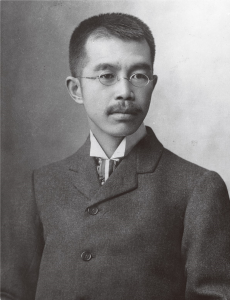
Source of portrait photo
Shojiro Ishibashi. Portrait published in the December 1, 1952 issue of Mainichi Graph.
Photographer unknown / Wikimedia Commons/Image source / PD-Japan-oldphoto(No modification of photo content)


伝Interpreting YAMATO DENSHI
To preserve something is to make it usable for the next person.
Books, techniques, and materials cannot be inherited just by having them. You need a place to put it, how to use it, and someone to manage it. What YAMATO DENSHI receives from Ishibashi's work is the importance of not only the power to collect things of value, but also the power to create an entryway for others to touch.