
Even a company that speaks of 'trust' is not exempt from scrutiny.
Official materials introducing Ito's management place the trust of customers, business partners, shareholders, local communities, employees, etc. at the center of the company policy established in 1972.[4] The larger the company, the more it becomes necessary to explain things to many stakeholders, not just customers you can see face to face.

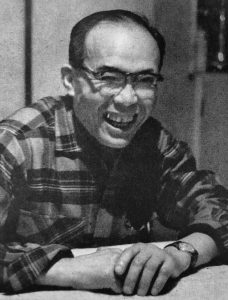
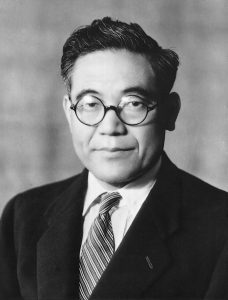
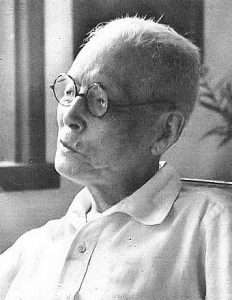
Tokumeigakarinoaoshima / Wikimedia Commons / CC BY-SA 4.0
Its history is not just about steady growth. In 1992, Masatoshi resigned as president following an incident that led to the arrest of a senior employee. The official biography also describes the background.[1] Even if you have a philosophy that values trust, it does not necessarily prevent organizational problems from occurring.
What I would like to think about from here is not to confuse the personality of the manager with the system for inspecting the organization. Although it is important for top management to be honest, this alone cannot confirm the validity of transactions or the accuracy of reports. There needs to be a channel for people who know about the problem to report it, and an opportunity for someone other than the person in charge to check it out.
This perspective is also connected to the attitude of looking at each item one by one on the sales floor. Don't jump to the conclusion that individual work must be good just because the overall reputation is good. Even when it comes to the sum of numbers and noble ideals, there can remain individual facts that have been overlooked.
What I want to take away from Masatoshi Ito's journey is not just an abstract admonition not to forget the feelings of a small shop even as we grow. The goal is to make the decisions of each product, store, and individual visible, and to link these to the responsibility of the organization. Trust is not a badge of honor for past successes, but a process of repeatedly confirming whether your work today is meeting the expectations of others.
Applying this to your own work
One thing to investigate tomorrow.
Choose one store or service that is judged solely on the total sales. Check individual usage status, investigate any changes that cannot be explained by numbers alone on site, and link this to the next action.
Sources and References
- Seven & I "Masatoshi Ito's Trajectory"
- Seven & i "Looking back on the heart of business in words and photos"
- Seven & i "History"
- Seven & i "The heart of business based on a spirit of trust and honesty"
Date of document verification: October 15, 2026. This article was compiled based on publicly available historical records. The interpretations provided in the text—including the 'YAMATO DENSHI Analysis'—are reflections based on historical facts; they do not purport to recreate the actual statements or inner thoughts of the individuals involved.




伝Interpreting YAMATO DENSHI
Protecting trust requires looking behind a good reputation.
The more you evaluate your philosophy and results, the more likely you are to find a way to receive exceptional transactions and difficult-to-report reports. I would like to treat trust as an organization's job, including ensuring that the person reporting the problem does not suffer any loss.