
Addressing a decline in profits by returning to the work on the sales floor.
In the interim results for 1981, Ito-Yokado's ordinary income decreased. Official biographies identify this phase as the starting point for operational reform. In an effort led by Toshifumi Suzuki, the company looked at sales trends for each product and reviewed products that were not selling well.[1]
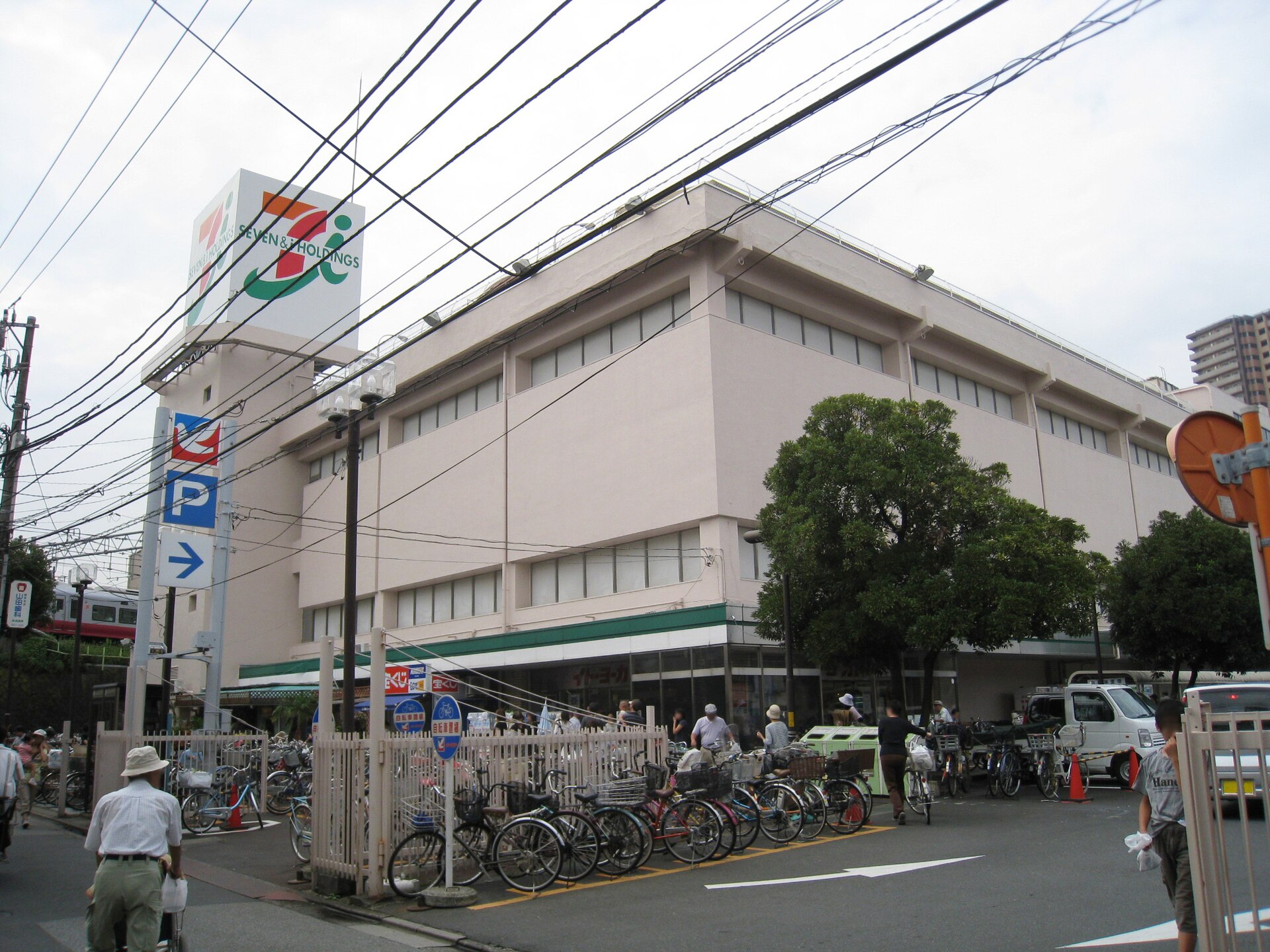
Lombroso / Wikimedia Commons / Public domain
The company history records the establishment of the Business Reform Committee in February 1982.[3] A business leader's sense of crisis is different from a company-wide change in working practices. There must be a process for translating that concern into ordering, assortment, and sales management.
Even if the total sales are increasing, it does not necessarily mean that the condition of each product is good. Funds and shelves may be used for items that don't work in the shadow of items that sell well. It is difficult to see what needs to be increased and what needs to be reduced when looking only at the large unit of the store as a whole.
Single item management is not a job that can be completed by collecting a large number of detailed figures. The reason it didn't sell was because there was no demand for it, because it was placed in a bad location, or because it wasn't in stock at the time you needed it. Even if the sales numbers are the same, the reasons are different. It is necessary to link the numbers with on-site observations, change the next order, and go back and forth to confirm the results.
Material recording Masatoshi Ito's remarks likewise suggests that what people read into information depends on whether those interpreting it understand the customer.[2] An information system can be understood as a tool for clarifying what to investigate on the shop floor, rather than a device that makes observing the shop floor unnecessary.
伝Interpreting YAMATO DENSHI
The more detailed the figures, the more important it is to ask why.
Before reducing unsold items across the board, check conditions such as out-of-stock items, placement, description, season, etc. Form a hypothesis based on observations, make small changes, and see the results. It is important to change the numbers for individual items to judgments for each individual item.