
Look beyond the rail map to the journeys of everyday life.
Ichizo Kobayashi's business cannot be imitated by small companies or individuals. Residential areas and theaters cannot be created just by thinking of them. But the perspective he expanded can be borrowed from even smaller jobs.
For example, when the number of applications for classes does not increase. Before honing the appeal of the class, think about what time the participants will finish work, who they will leave their children with, and how they will return home. Reasons for reluctance to apply may lie outside the product itself. This is not Ichizo's direct teaching, but an interpretation of the present that YAMATO DENSHI draws from his work.
The business of making a living comes with long responsibilities. Homes, towns, and cultural spaces exist not only as monuments to the successes of their founders. It becomes a daily routine for people who live, work, and enjoy themselves there.
The jobs that will survive in the future are not just about buildings remaining. There is a reason why someone goes there, and the next generation will too. What lay ahead of Kazuzo's route map was the task of continuing to create that reason.
What you take home from this life.
Create a product.
Create your life beyond that.
- Find the reason to use it from the other person's life.Not just for trains, but for housing, shopping, and entertainment. There is potential for business growth in the daily lives of users.
- Find another role where you're stuck.An opera that began in a theater that was converted into a swimming pool. Even the remaining equipment can become a new entrance if you look at it differently.
- Nurture one-time customer attraction into a system that continues.Think about the education and management that supports the stage. Places that make people want to visit again have invisible work to do.
People don't just want the product itself. Looking for a better day ahead.
Take the wisdom you read and take a step forward today.
Map the customer’s experience before and after using your service.
Write three situations about people using your work: before they come, while they are using it, and after they leave. List one trouble or anxiety for each.
Open hint to think about
Even without changing the product, there are some burdens that can be reduced by changing the order of guidance, start time, return information, etc. Try fixing one thing first and see how the other person's behavior changes.
Historical materials and editing
This is a special feature on people based on publicly available historical materials. Events recorded in the history of the company and discussions by YAMATO DENSHI are separately recorded. New interviews with the individuals themselves and conversations by YAMATO DENSHI are not reproduced.
- Hankyu Cultural Foundation "About Ichizo Kobayashi"
- Hankyu Hanshin Holdings "Annual Report 2011" History of railway development
- Takarazuka Revue "History of Takarazuka Revue 1914–1922"
- Hankyu Cultural Foundation "100 People of Ichizo Network Theater"
Confirmation date of historical materials and images: October 11, 2026
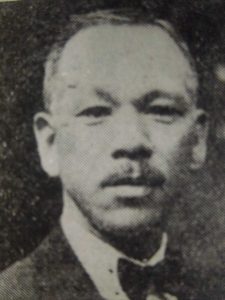
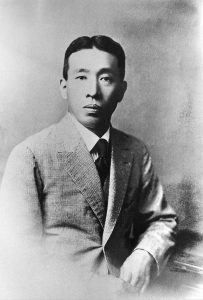
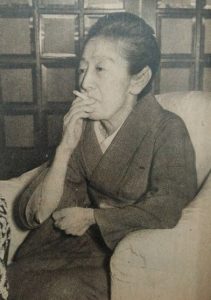
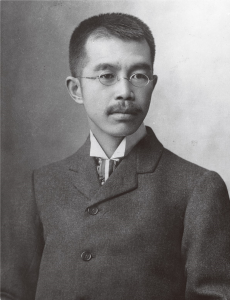
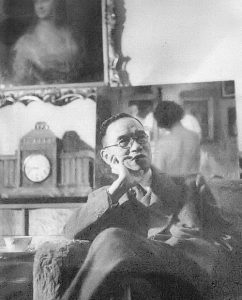
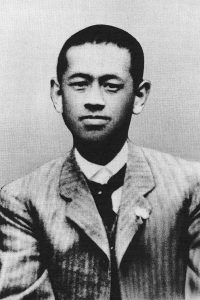
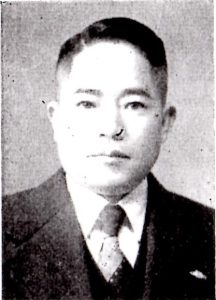
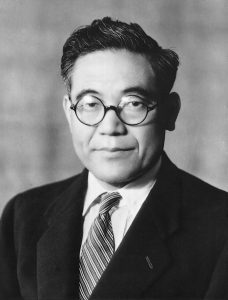
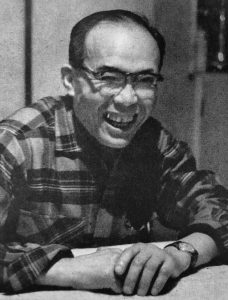
Source of portrait photo
Ichizo Kobayashi. "Mainichi Graph" September 20, 1951 issue, Mainichi Shimbunsha. Photographer unknown.
Photographer unknown / Wikimedia Commons/Image source / PD-Japan-oldphoto(No modification of photo content)


伝Interpreting YAMATO DENSHI
Address the obstacles that prevent customers from making the journey.
When something is good but not selected, the problem is not just how to communicate its goodness. Time, travel, payments, anxiety. By reducing the burden of participating, more people will be able to discover value. Before you pitch, take a look at the conditions that are holding them back.