
Building workers’ earnings into the business model.
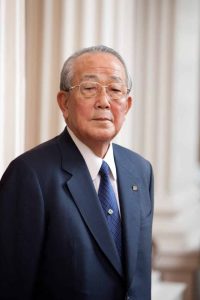
Ogura became the first chairman of the Yamato Welfare Foundation in 1993. Afterwards, they visit a facility where people with disabilities work and are exposed to the reality of low wages. In 1996, Yamato began holding seminars to convey management information to facility operators, according to Yamato's corporate history.[4]
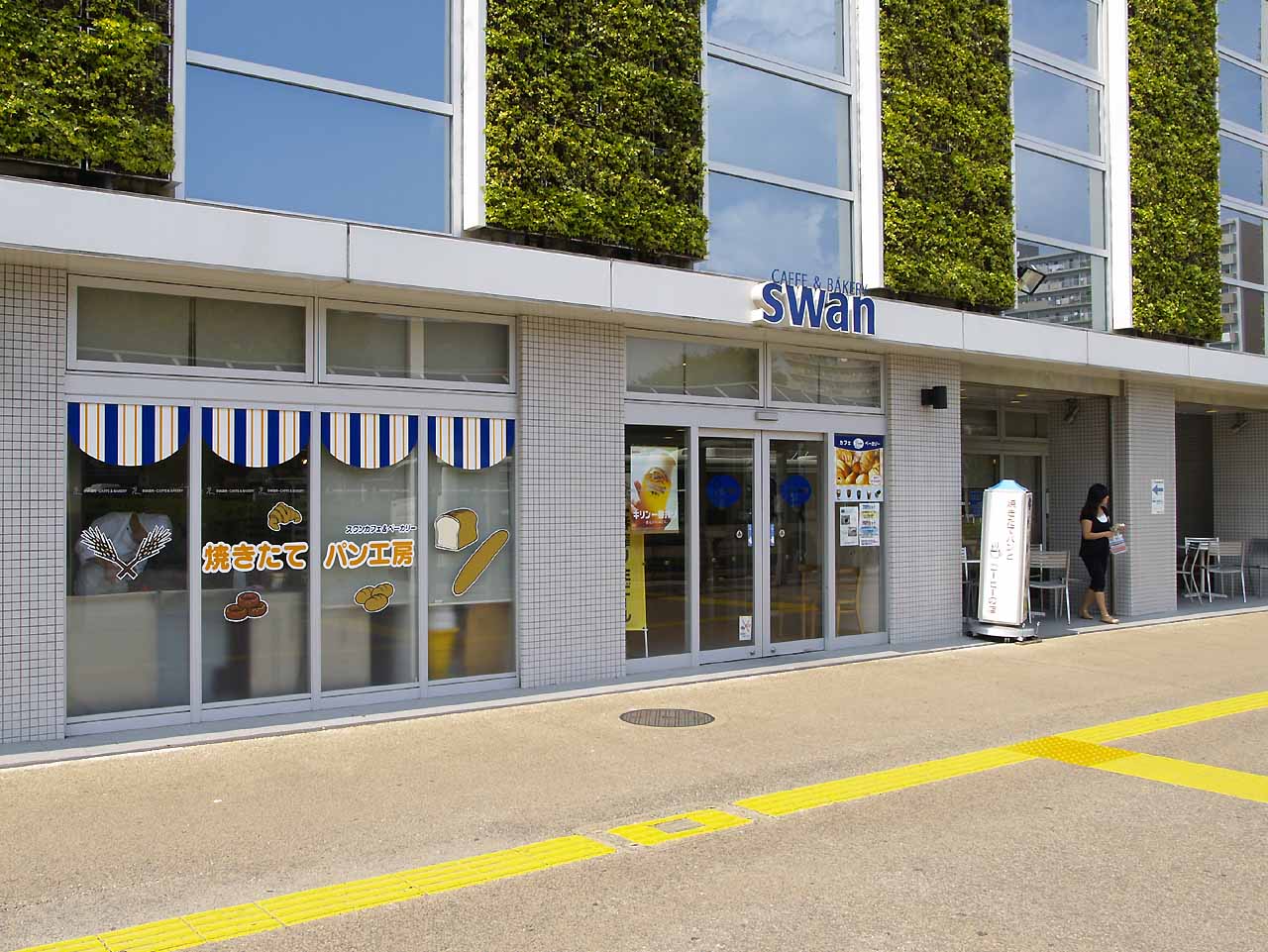
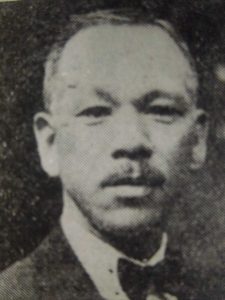
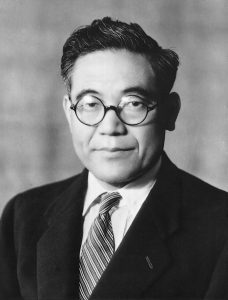
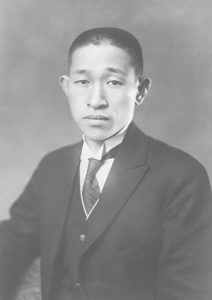
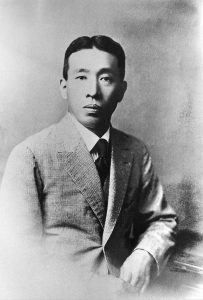
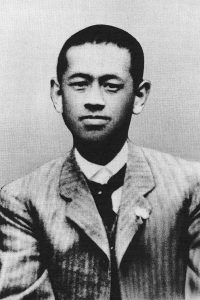
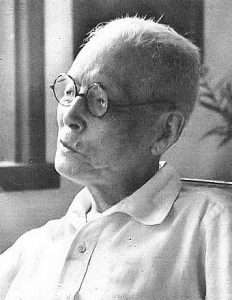
Comyu / Wikimedia Commons / CC BY-SA 3.0
At Swan Bakery, which opened in 1998, both people with and without disabilities were responsible for manufacturing and serving customers, with technical guidance from Takaki Bakery and provision of frozen bread dough. Rather than relying solely on management experience, this approach was combined with bread-making expertise.[4]
Takkyubin and welfare services cannot be explained using the same success formula. Each worker needs different support, and income alone does not determine the value of support. Still, before attributing the low remuneration solely to the individual's ability, we can appreciate the perspective of reconsidering the product's price, sales channel, and process.
Where to sell, which process can I be in charge of, and what experts can provide?" If the combination of work changes, the scope of participation will also change. In addition to determining whether the person has good intentions, it is also necessary to ascertain the person's wishes and to create concrete working conditions.
Masao Ogura's story has an attitude of thinking about overlooked demand and working power from the perspective of building a business. However, if we force workers to overdo it in order to protect the system we have created, we lose the starting point of the question. Beyond convenience, who will support us and who will receive the benefits? I would like to look over there and continue reading about the history of this management.
Applying this to your own work
One thing to investigate tomorrow.
Assume one group of people who have difficulty using the current service. Find out where the barriers are in how to order, price, delivery, and response time, and design small changes that can be tried, including the burden on the site.
Sources and References
- Yamato "Background of the birth of TA-Q-BIN" 100th anniversary column
- Yamato Holdings "History"
- Yamato "Annual Report 2016"
- Yamato "Masao Ogura's Thoughts on Welfare"
Date of document verification: October 15, 2026. This article was compiled based on publicly available historical records. The interpretations provided in the text—including the 'YAMATO DENSHI Analysis'—are reflections based on historical facts; they do not purport to recreate the actual statements or inner thoughts of the individuals involved.



伝Interpreting YAMATO DENSHI
Accepting responsibility requires the means to sustain it.
Translate the desire to support into sales channels, processes, roles, and compensation. When doing so, we not only check efficiency but also the person's wishes and necessary support. The purpose of changing the system goes beyond adjusting the numbers to improve the lives of users and workers.