
Who ultimately benefits from increased efficiency?
In his recollections, Tadahiro Yoshida notes that Tadao Yoshida advocated for distributing the value added by the business among three parties: customers, business partners, and the company itself—with the latter encompassing not only management but all employees. When examining YKK’s "Cycle of Goodness" (Zen no Junkan), it is important to distinguish between the founder’s own writings and the recollections of his successor.[3]
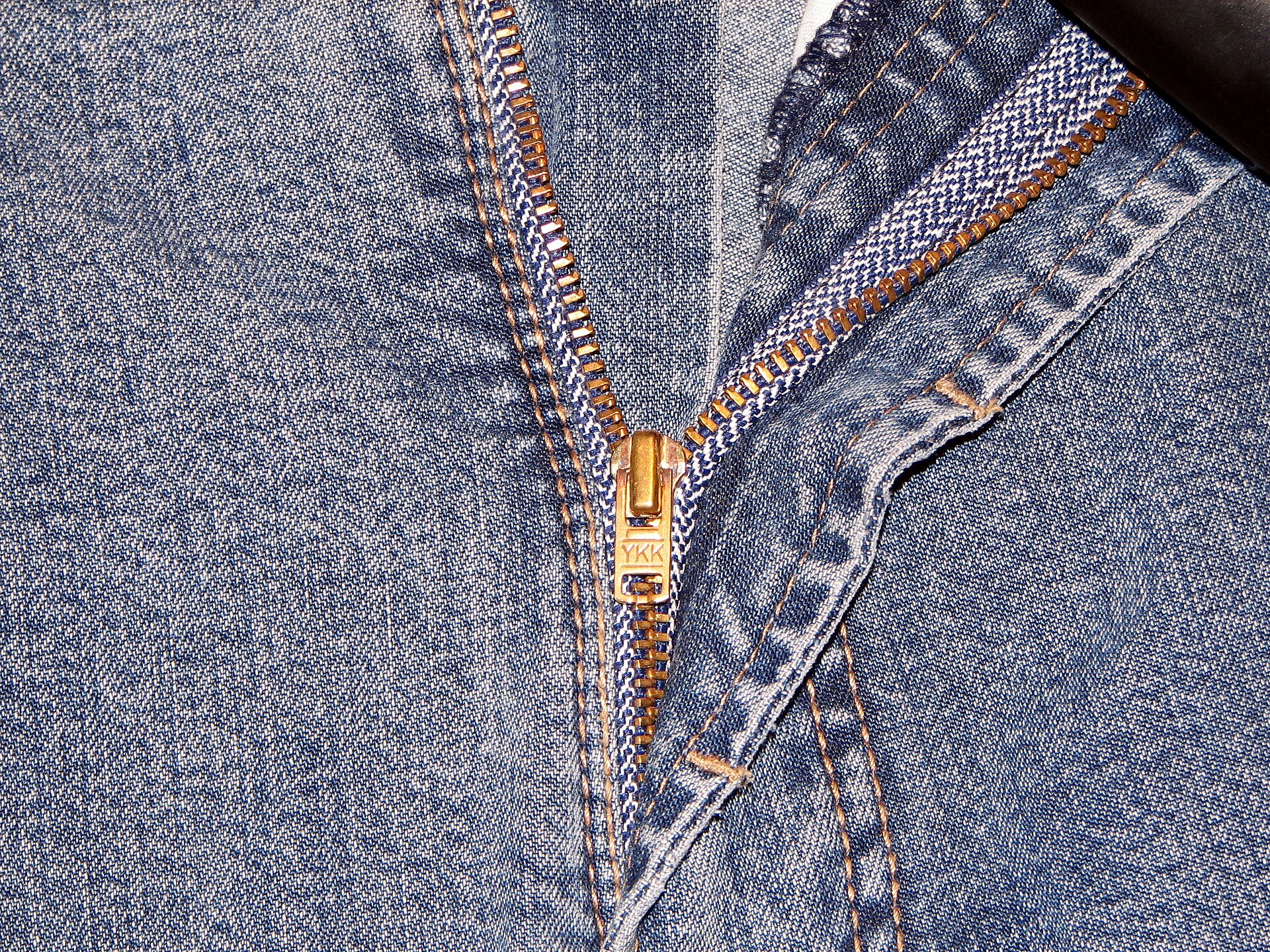
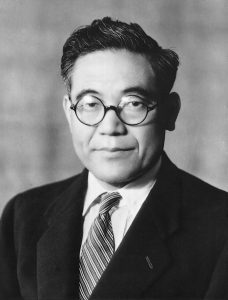
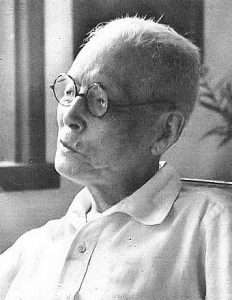
Chris 73 / Wikimedia Commons / CC BY-SA 3.0
When this philosophy is linked to manufacturing improvements, the true meaning of "efficiency" becomes concrete. By producing more consistent goods using the same materials and time, a company creates room to deliver greater value to customers (through price or quality), strengthen relationships with business partners, and invest in future equipment and human capital.
However, how that surplus is divided is not something that can be determined automatically. Simply lowering the selling price might increase the burden on frontline operations, while retaining all the profit within the company would mean customers fail to see any tangible improvements. It is here that the company’s core philosophy comes into play—providing a framework for stakeholders with different perspectives to discuss how those gains should be distributed once they have been realized.
These recollections also highlight a commitment to reinvesting profits back into the local communities where the company’s overseas operations are based.[3] This reflects a fundamental distinction: whether one views a business location merely as a production site, or as a community with which to build a long-term relationship. That said, based solely on this document, one cannot definitively claim that this philosophy was consistently upheld at every point in time and across every location.
The quality issues pursued by Tadao Yoshida are not confined within the factory.It traces back to materials and machinery, and expands the destination of results to customers and regions. Only by connecting these two ends can the management of a company that makes small zippers become visible in three dimensions.
Applying this to your own work
One thing to investigate tomorrow.
Draw the process of the main product on a single sheet, and mark the places where the causes of defects occur and the places where they are detected. Start sharing records and joint improvements from distant points.
Sources and References
- YKK "History of YKK"
- Japan Society of Mechanical Engineers "Mechanical Heritage No. 49 Fastener Chain Machine"
- YKK "Cycle of Goodness" Reminiscences of Tadahiro Yoshida
Date of document verification: October 15, 2026. This article was compiled based on publicly available historical records. The interpretations provided in the text—including the 'YAMATO DENSHI Analysis'—are reflections based on historical facts; they do not purport to recreate the actual statements or inner thoughts of the individuals involved.



伝Interpreting YAMATO DENSHI
Examine how the gains from improvement are shared.
When the defect rate and production time improve, check who's burden has decreased and who has new burdens. By reading the results from the three perspectives of customers, business partners, and workers, it will be easier to create an agreement to continue improving efficiency.