
Creating smaller units without fragmenting the company.
Kyocera's amoeba management is explained as a system in which the organization is divided into small units and each leader manages the organization while keeping track of plans and results. It also conducts transactions between departments and aims to have employees participate in management. Rather than division itself, it is meaningful to have a scope in which the workplace can make decisions.[4]

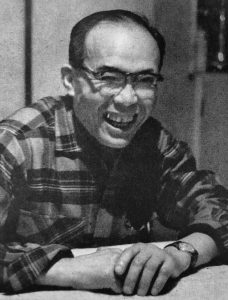
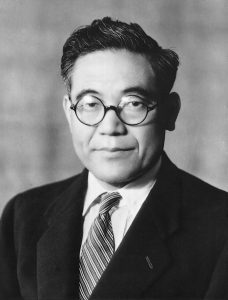
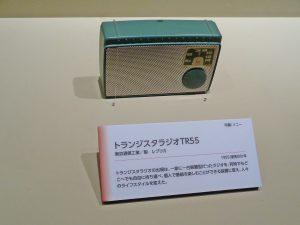
Tokumeigakarinoaoshima / Wikimedia Commons / CC BY-SA 4.0
However, if the departments are made independent, it becomes easier to see conflicts of interest. One division may try to sell at a higher price to the next division in order to make its profits look better. There is also the issue of who will take on the burden of common equipment and indirect operations.
So, if you read the philosophy and the numbers separately, you miss out on the difficulties of management. If the goals of the company as a whole are unclear, optimizing small units may lead to customer satisfaction and worker peace of mind. Sharing numbers and talking about why those numbers should be improved is a combination of tasks.
On the other hand, even if you ask people to devote themselves to the field based on ideology alone, it cannot be called participation if there is no basis for judgment. You need to be able to receive explanations, ask questions, and revise plans. The term "all participation" carries weight when not only distributing responsibilities in detail, but also distributing information and opportunities to speak.
I want to remember once again the presence of our employees who questioned their future in 1961. If we look at the history of expanding the company's purpose to the happiness of its employees, we can ask ourselves whether subsequent management methods have also been used to listen to people's voices. Respecting Inamori's words is not the same as accepting the system uncritically.
Applying this to your own work
One thing to investigate tomorrow.
Choose one evaluation index for your department and explain to everyone how to calculate it. List three tasks that should not be cut in order to increase that number, and share them with the person being evaluated.
Sources and References
- Kyocera "For Employee Happiness" Kazuo Inamori Episode 10
- Kyocera "Hourly Profit System" Kazuo Inamori Episode 15
- Kyocera Inamori Library "Establishing a Management Foundation"
- Kyocera "What is Ameba Management?"
Date of document verification: October 15, 2026. This article was compiled based on publicly available historical records. The interpretations provided in the text—including the 'YAMATO DENSHI Analysis'—are reflections based on historical facts; they do not purport to recreate the actual statements or inner thoughts of the individuals involved.





伝Interpreting YAMATO DENSHI
Participation means sharing both responsibility and the information needed to decide.
If you leave goals to a small organization, provide the necessary information, authority to make changes, and a place to coordinate with other departments. Making sure that you feel comfortable raising your objections within a system that demands results connects philosophy and the field.