"I thought about it. I really thought about it": the move into railway stations
— And that led to the railway station business you run today?
President Umemori For ten years, I worked with the goal of paying off the debt, and eventually I did. Then I came back to Nara and built up some busy restaurants. But the big chains arrived. Competitors opened all around us, and I ended up closing our restaurants.
Closing a restaurant is hard, you know. The moment you close, the sales stop. But you still have to pay for the ingredients at the end of the following month. When payday comes, you have to pay wages without any sales coming in. Wages, suppliers—you still have to pay them all. It was really tough.
Around then, someone introduced me to Lanchester business strategy: different approaches for smaller players and market leaders. My experience with conveyor-belt sushi had taught me that I couldn't survive surrounded by big chains. There were competitors within a five- or ten-minute drive in every direction. I needed somewhere less exposed to that competition. That's when I thought, "A railway station."
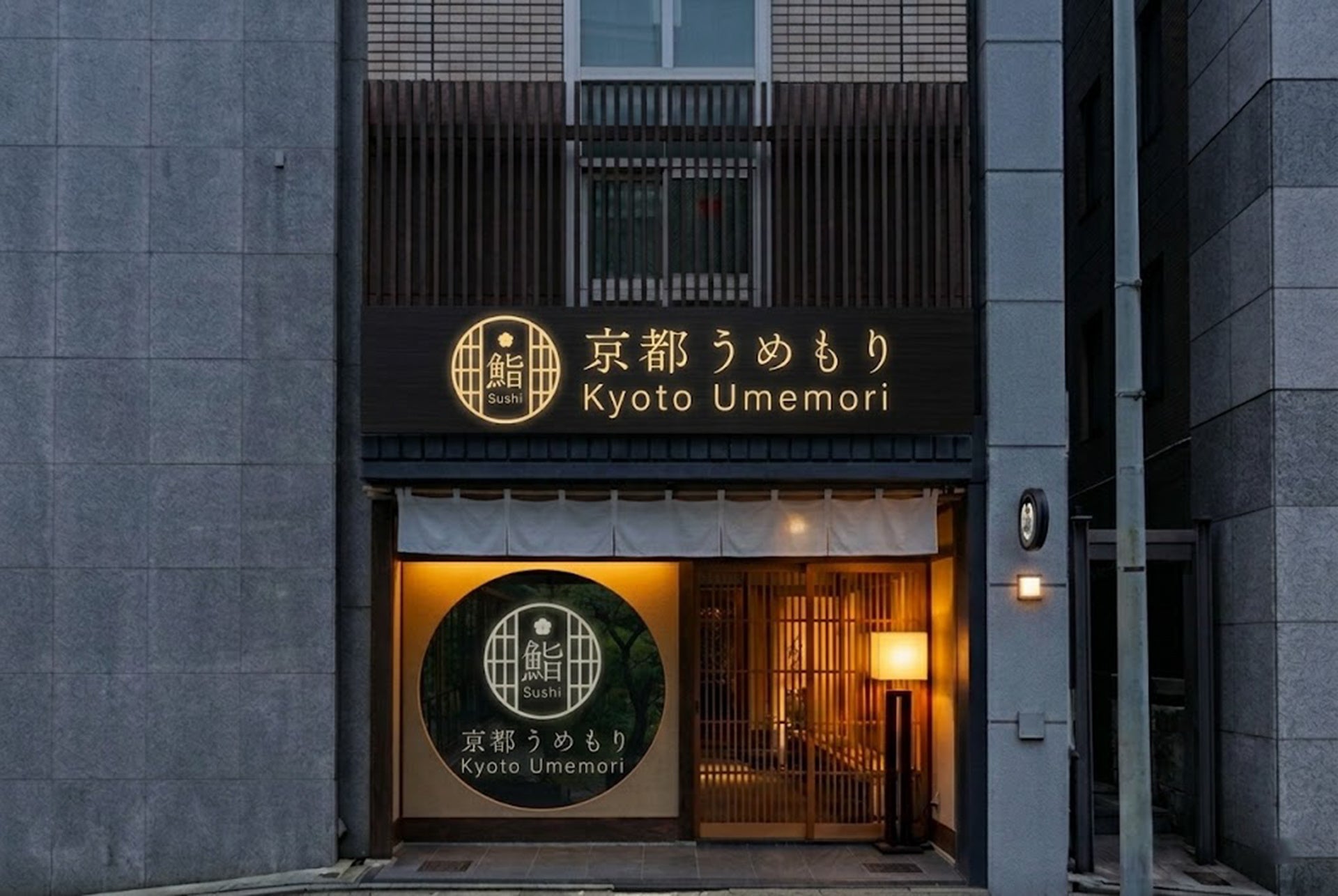
Inside a station, you wouldn't expect several sushi shops right next to one another. And this was Nara, so I approached Kintetsu. I went to them and said, "Would you let me open a sushi shop?" That's how our railway station business began.
— As competition grew, you reconsidered the very place where you did business.
President Umemori I thought about it. I really thought about it. I didn't have the answers. I had no money left and kept wondering what to do. I couldn't repay the debt either.
— Where did you find the energy to keep trying?
President Umemori I just had to do it. There really wasn't a choice between wanting to do it and not doing it. First, I had to make a living. It was for my family.
And once you're running a business, you have employees. When I thought about protecting their jobs and paying their wages, I wasn't in a position to debate whether things were hopeless or fine. I just had to keep working, and that is where I started.
Gradually, my perspective widened. Next came the idea of working for the local community. That's how I see the progression.
From working for himself to running a business that cares for people
— How did you come to think in terms of serving the local community?
President Umemori As I listened to different people, it began to make sense. Employees aren't going to work hard just to buy the boss a Mercedes, are they? It sounds obvious, but that's the point.
I think it's understandable to start by looking out for yourself. Of course, you have a family to support. But that alone won't win your employees over. You have to care for them too. And unless you go further and run the business for society's benefit, customers won't want to support you either.
— What principles do you turn to when making business decisions?
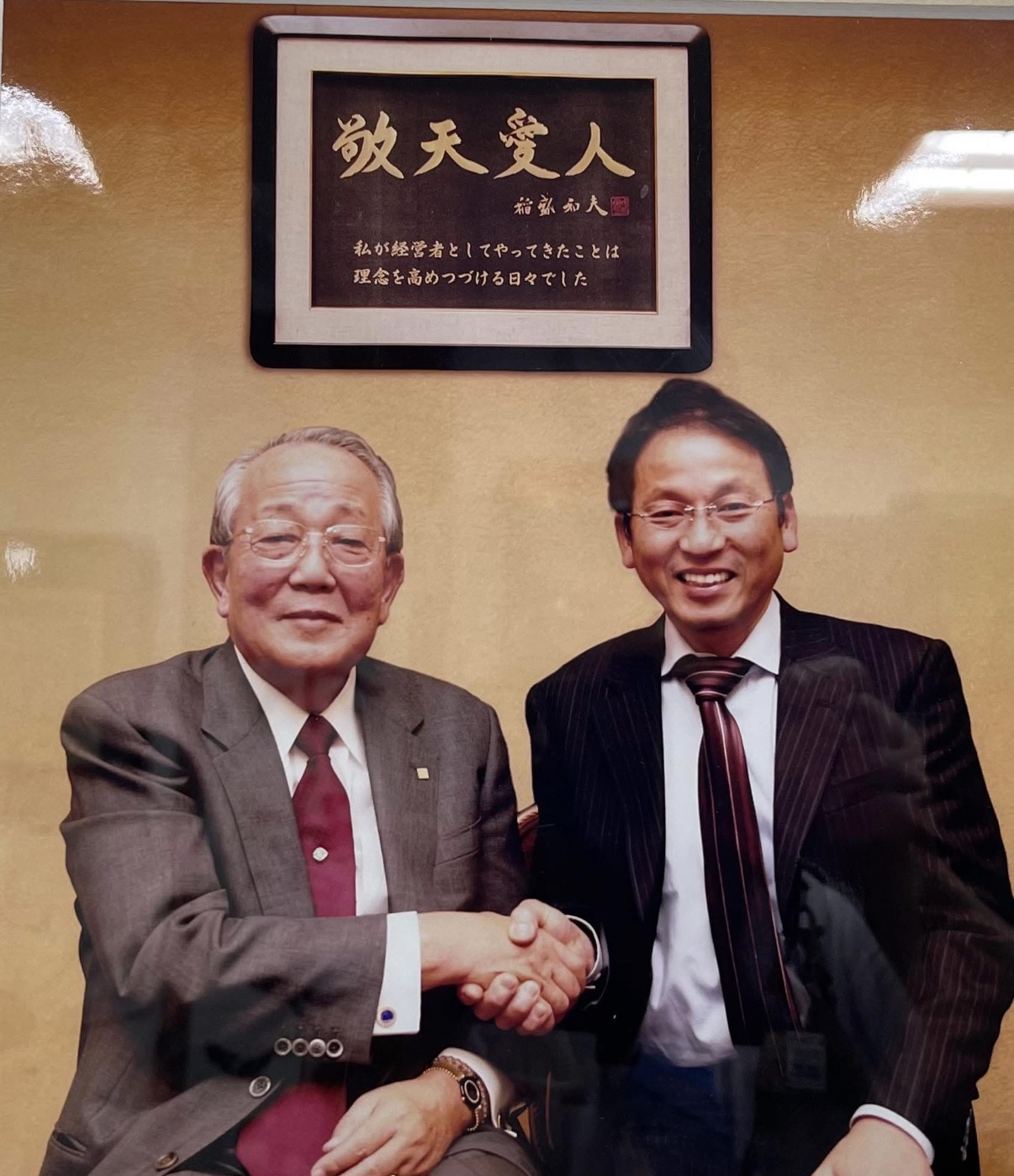
President Umemori I look to Kazuo Inamori as my mentor. What I've learned from him is to judge things by asking how we should act as human beings. What does that mean? Don't lie. Don't take what belongs to someone else. Those are ordinary things, but I think they're the most important things of all.
Through our sushi-making classes, we see all sorts of people enjoying themselves and smiling. Across national borders, too. Our mission is to help build a society where people care for one another.
Whatever their nationality, race, gender, disability, illness or religion, I want everyone who comes to Umemori to leave with a smile. And I hope that leads to communities full of smiles around the world, and a peaceful society. That's the mission behind the way we run the business now.