
Leveraging data and education to safeguard technical expertise.
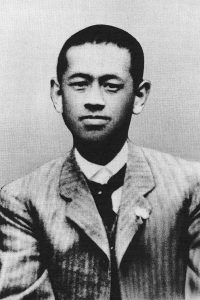
Hitachi’s Integrated Report documents how, during the company’s founding era, repeated setbacks led to an intensified focus on testing and research. Furthermore, Namihei Odaira placed great importance on cost accounting from an early stage, establishing a system where the manufacturing and sales departments held regular meetings to review price estimates. He ensured that the ideals of manufacturing and the realities of contract pricing were not siloed within separate departments.[3]
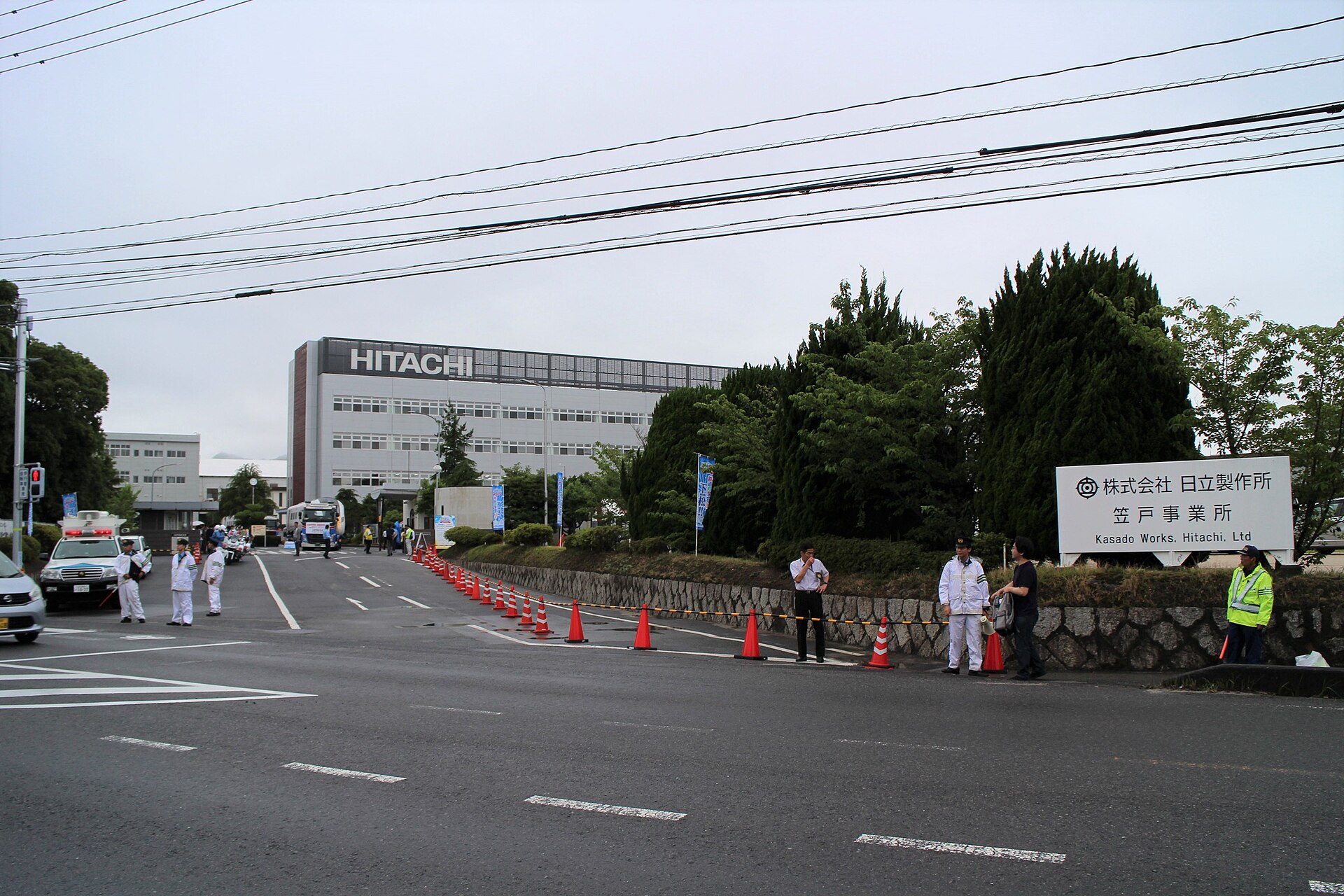
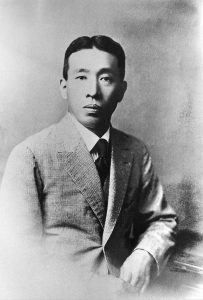
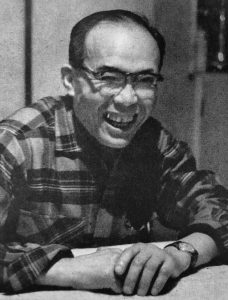
Rsa / Wikimedia Commons / CC BY-SA 3.0
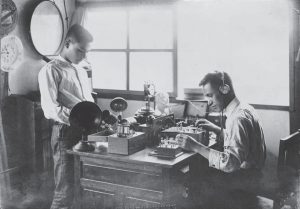
According to the same records, an apprenticeship training center was established in 1910. Even during periods when securing orders was difficult, the company continued to develop talent—though some graduates would eventually move on to other firms. Education was an investment that could not be fully recouped through the immediate, individual orders at hand.[3]
Examining these two aspects together reveals that 'taking on challenges' and 'ensuring profitability' are not simply in opposition. If the true nature of costs remains ambiguous, it becomes impossible to discern which projects create the capacity for research, and which orders merely place a burden on the shop floor. Having a clear grasp of the numbers is necessary not only to keep research in check, but also to define the concrete conditions under which such research can be sustained.
At the same time, it is difficult to keep all the fruits of education contained entirely within one’s own company. Individuals who have acquired skills possess the agency to choose their own career paths. The challenge lies in both creating a work environment and compensation structure that encourages trained personnel to stay, and recognizing the value of the expertise that spreads beyond the company’s walls—a tension that remains relevant to businesses today.
The five-horsepower motor was merely a starting point. Sustaining such progress requires design documentation, mechanisms for analyzing failures, dialogue between sales and production teams, and the development of the next generation of engineers. What we can take away from Odaira’s journey is more than just an encouragement to tackle difficult products; it is the challenge of building a company capable of repeated innovation through the steady, unglamorous mechanisms of daily operations.
Applying this to your own work
One thing to investigate tomorrow.
Select a recent malfunction or defect, and have the repair, design, and sales teams review the records together. Beyond just addressing the repair costs, determine how to adjust future designs or product explanations, and document these findings so that successors can refer to them later.
Sources and References
- Hitachi City, 'Namihei Odaira'
- Hitachi, Ltd., 'On the Designation of the 5-Horsepower Induction Motor as an Important Cultural Property' (2022)
- Hitachi, Ltd., 'Integrated Report 2019: The Trajectory of Growth'
Date of document verification: October 15, 2026. This article was compiled based on publicly available historical records. The interpretations provided in the text—including the 'YAMATO DENSHI Analysis'—are reflections based on historical facts; they do not purport to recreate the actual statements or inner thoughts of the individuals involved.




伝Interpreting YAMATO DENSHI
Establishing the conditions to sustain investment in technology.
If you wish to safeguard research and educational expenditures, you must discuss their purpose and the associated costs in a transparent manner. This means integrating both the assessment of profitability and the time dedicated to developing the next generation into the core of your management approach. The case of Odaira offers a valuable perspective on how to balance both.