
Creating workplaces where people can put their skills to use.
Tokuji Hayakawa was also involved in creating a workplace for visually impaired people. The history of Sharp Tokusen Kogyo tells the story of the company's history, from its wartime workplace creation to its founding in 1950.[5]
It's important not to make this work a one-sided story where the founder saved people. There are workers who have actually acquired skills, supported quality, and accumulated work. If we dismiss these people to the background of the story, we lose sight of the purpose of creating a workplace.
Even if what was lost cannot be returned, the remaining power can connect with new people and jobs. Perhaps tying those knots one by one is the essence of a fresh start.
What I want to pass on from Hayakawa's life to the future is not a lesson to welcome adversity. Rather than rushing someone in a difficult situation, we should work with them to find a foothold where they can utilize their remaining strength. Along with his skills, his attitude will continue to work for a long time.
What you take home from this life.
Leave the technology behind.
We also leave a place for that technology to live.
- Reconnect your experience to another job.An accumulation of manufacturing that survived the restart after the earthquake. What you learn can be useful even in a different place than before.
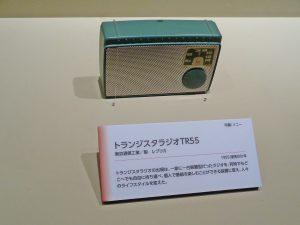
- Entering into an unknown field through observation and prototyping.Investigate the structure of the radio and work on its production. Admitting your lack of knowledge is also the beginning of learning.
- Before questioning your ability, create the conditions for work.History of supporting workplaces for visually impaired people. A person's power grows with the environment in which it can be used.
Products are not the only things we can pass on to the future. The opportunity for people to work on their own is also a great asset.
Take the wisdom you read and take a step forward today.
Take stock of what you can do with someone you trust.
I would like to list three strengths that I can use even if the environment changes. If you have trouble thinking about it on your own, ask someone you trust, ``What do I often do?''
Open hint to think about
There's no need to make a big move right away. You may need a break now. When choosing your next step, plan it small enough to include the time you have available and the people you can ask for help.
Historical materials and editing
This is a special feature on people based on publicly available historical materials. Events recorded in the history of the company and discussions by YAMATO DENSHI are separately recorded. New interviews with the individuals themselves and conversations by YAMATO DENSHI are not reproduced.
- Sharp "Founder Tokuji Hayakawa"
- Sharp "Voices from the Founder: Great Kanto Earthquake"
- Sharp "Voices of the Founder: Restarting in Osaka"
- Sharp "Founder's Voice: Radio Business"
- Sharp Tokusen Kogyo "Company Profile/History"
Confirmation date of historical materials and images: October 11, 2026
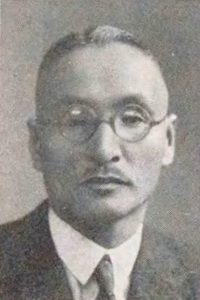
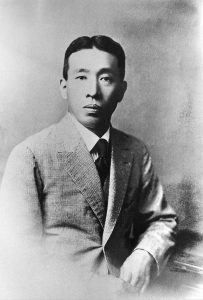
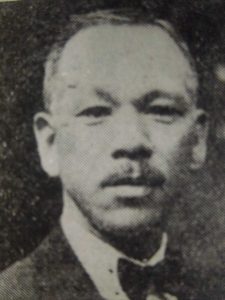
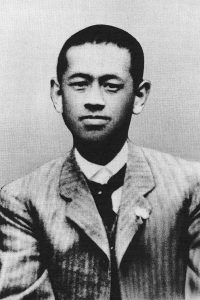
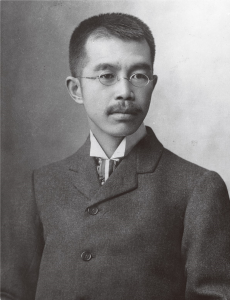
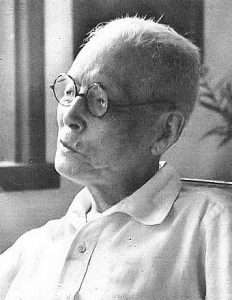
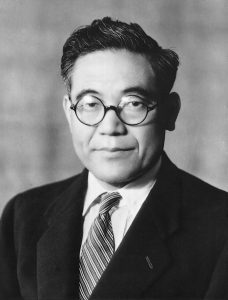
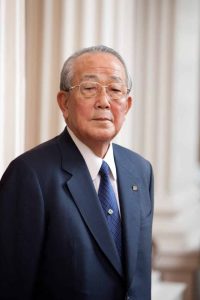
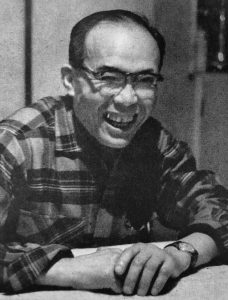
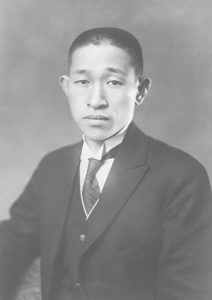
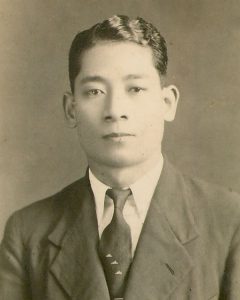
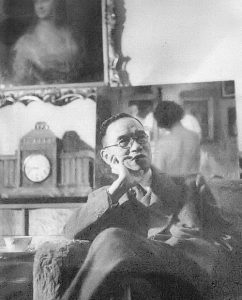
Source of portrait photo
Tokuji Hayakawa (right) testing crystal radio in 1925. Photo from the Sharp History Collection.
Photographer unknown / Wikimedia Commons/Image source / PD-Japan-oldphoto(No modification of photo content)

伝Interpreting YAMATO DENSHI
Consider the conditions for participation as well as individual ability.
When a person is unable to demonstrate their abilities, it is premature to question only their own abilities. There may be barriers in tools, methods of explanation, and division of work. Before asking someone to do their best, how can we change the work side? This question can be brought into any workplace.